Smart POS Systems in Retail: Driving Efficiency and Real-Time Insights
Retail has changed dramatically in the past decade. Customers expect fast checkout, accurate pricing, flexible payment options, and seamless experiences across physical and digital stores. At the same time, retailers are under pressure to control costs, reduce shrinkage, and respond quickly to market shifts. In this environment, traditional cash registers and disconnected systems are no longer enough. Modern retail POS technology has become the operational backbone of successful stores.
Smart POS systems do much more than process transactions. They capture valuable data about sales, inventory, customer behavior, and employee performance. When paired with retail analytics software and real-time inventory tracking, these systems transform daily operations into measurable, actionable insights. Retailers no longer have to rely solely on instinct or manual spreadsheets. With the right technology in place, they can monitor performance in real time and make smarter decisions that improve efficiency and profitability.
The Evolution of Retail POS Technology
Retail POS technology has evolved from simple transaction terminals into fully integrated management platforms. Early systems were limited to ringing up sales and printing receipts. Today, smart POS systems connect payments, inventory management, customer databases, and reporting tools into one centralized solution. This integration eliminates silos and simplifies operations.
Modern systems provide instant access to retail analytics software dashboards that translate raw sales data into useful trends. Real-time inventory tracking ensures that stock levels update automatically as transactions occur. Instead of waiting until the end of the day or week for reports, retailers can view performance metrics immediately. This evolution reflects a broader shift toward digital transformation in retail operations. Businesses that embrace advanced POS technology gain visibility and control that was previously unavailable.
Improving Checkout Speed and Accuracy
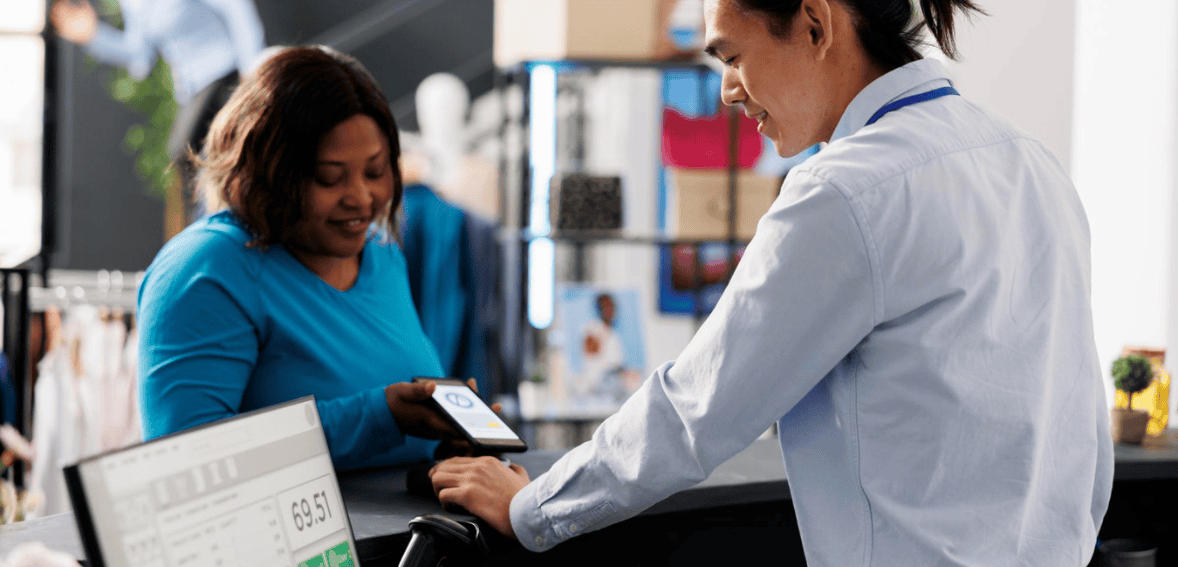
The checkout experience plays a critical role in customer satisfaction. Long lines and pricing errors create frustration and can drive customers away. Retail POS technology improves checkout speed by streamlining product scanning, price verification, and payment processing. Smart POS systems support tap payments, mobile wallets, and digital receipts, reducing manual steps.
Accuracy improves because prices and promotions are updated centrally within the system. Retail analytics software can track checkout times and identify bottlenecks during peak hours. Real-time inventory tracking prevents issues caused by outdated stock information, reducing mistakes at the register. Faster, more accurate checkouts enhance the overall shopping experience and encourage repeat visits. By simplifying transactions, retailers reduce operational friction and build customer loyalty.
Real-Time Inventory Tracking and Stock Control
Managing inventory effectively is one of the biggest challenges in retail. Overstocking ties up capital, while understocking leads to lost sales. Real-time inventory tracking within smart POS systems provides continuous updates on product levels as sales occur. This eliminates the need for frequent manual counting.
Retail POS technology links each sale directly to inventory records, ensuring stock numbers remain current. Retail analytics software helps managers identify fast moving items, slow sellers, and seasonal patterns. With this visibility, purchasing decisions become more accurate. Instead of reacting to shortages, retailers can anticipate demand and reorder products proactively. Real-time inventory tracking reduces waste, improves cash flow, and prevents stockouts that disappoint customers.
Turning Sales Data Into Actionable Insights
Every transaction generates valuable information. Smart POS systems collect data on product performance, transaction times, payment methods, and customer preferences. Retail analytics software organizes this information into readable dashboards and visual reports. These tools make complex data easy to understand.
Retail POS technology enables retailers to evaluate which products generate the highest profit margins and which items require adjustment. Real-time inventory tracking complements sales insights by showing how stock levels respond to promotions or price changes. Managers can quickly test new strategies and measure outcomes. Data transforms everyday operations into strategic decision making, empowering retailers to adapt confidently to market changes.
Optimizing Staff Scheduling and Productivity
Labor costs represent a significant portion of retail expenses. Retail POS technology supports efficient workforce management by providing insights into peak hours and traffic patterns. Smart POS systems can correlate sales volume with staffing levels, helping managers schedule employees more effectively.
Retail analytics software identifies times when stores are consistently overstaffed or understaffed. Real-time inventory tracking also reveals busy restocking periods that require additional team support. When staffing aligns with demand, productivity improves and payroll expenses remain controlled. Employees experience less stress during high traffic hours, and customers benefit from attentive service. Efficient scheduling strengthens operational balance and supports sustainable growth.
Enhancing Customer Experience Through Data
Modern shoppers expect personalized experiences. Retail POS technology captures purchase histories and customer preferences where appropriate. Smart POS systems integrate loyalty programs and targeted promotions directly into checkout workflows.
Retail analytics software identifies purchasing trends among different customer segments. Real-time inventory tracking ensures popular items remain in stock, reducing disappointment. Personalized offers delivered through email or digital receipts can increase engagement. By understanding customer behavior more deeply, retailers create tailored experiences that foster loyalty and long term relationships.
Managing Multiple Locations Efficiently
For retailers operating more than one store, consistency and coordination are crucial. Retail POS technology centralizes data across locations, allowing managers to monitor performance from a single dashboard. Smart POS systems synchronize pricing, promotions, and inventory rules across branches.
Retail analytics software compares location performance, highlighting differences in sales patterns or staffing efficiency. Real-time inventory tracking enables stock transfers between stores when necessary. This level of coordination prevents oversupply at one location and shortages at another. Centralized oversight improves decision making and ensures brand consistency across all retail outlets.
Strengthening Financial Reporting and Compliance
Accurate financial reporting is essential for regulatory compliance and business planning. Retail POS technology automates transaction recording and categorization, reducing human error. Smart POS systems generate daily sales summaries and tax reports instantly.
Retail analytics software supports budgeting by presenting detailed breakdowns of revenue streams. Real-time inventory tracking helps verify cost of goods sold calculations, increasing accuracy. Automated reporting reduces the administrative burden on accounting teams and ensures transparency. Reliable financial data allows owners to make informed decisions with confidence.
Reducing Shrinkage and Preventing Loss
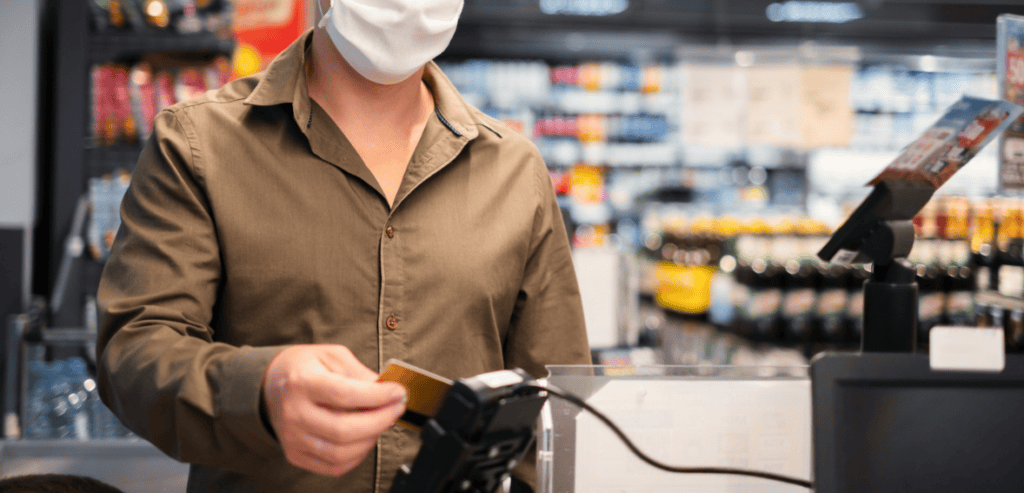
Inventory shrinkage due to theft or mismanagement can significantly impact profits. Retail POS technology provides tracking mechanisms that highlight unusual activity patterns. Smart POS systems log voided transactions and price overrides for review.
Retail analytics software can flag irregularities that might indicate internal or external loss. Real-time inventory tracking compares expected stock levels with actual counts, helping managers identify discrepancies early. By monitoring trends consistently, retailers reduce shrinkage and protect margins. Structured oversight reinforces accountability throughout the organization.
Integrating Online and In-Store Channels
Omnichannel retailing has become standard practice. Retail POS technology integrates online orders, in store purchases, and pickup transactions into a unified reporting environment. Smart POS systems ensure consistent pricing and inventory visibility across platforms.
Retail analytics software analyzes combined data from ecommerce and physical stores. Real-time inventory tracking synchronizes stock levels automatically, preventing overselling. This seamless integration strengthens brand reputation and supports customer convenience. Unified systems allow retailers to operate cohesively in both digital and physical environments.
Supporting Data Driven Growth Strategies
As retailers expand, reliable insights become essential for planning. Retail POS technology provides historical data that informs new store openings or product launches. Smart POS systems capture long term performance metrics that guide strategic investments.
Retail analytics software evaluates trends across seasons, categories, and demographics. Real-time inventory tracking ensures operational readiness during expansion phases. Businesses that rely on data rather than guesswork increase their likelihood of sustainable success. Structured growth strategies reduce risk and improve financial outcomes.
Enabling Better Purchasing and Supplier Management
Better purchasing decisions are made with accurate demand forecasts. Retail POS solutions enable better purchasing decisions by offering historical sales data directly linked to product categories and seasons. Intelligent POS systems enable managers to analyze trends for weeks, months, or years rather than making decisions based on gut feelings. Better understanding of product velocity enables retailers to negotiate with suppliers based on actual product turn rates rather than approximations.
Retail analytics software enables analysis of supplier performance, including delivery and product sell-through rates. Real-time inventory management further enhances purchasing decisions by providing data on the rate at which products sell once they are received in the store. This enables retailers to avoid overstocking and the risk of tying up capital in slow-selling products. Retailers who make purchasing decisions based on verified sales data improve cash flow and supplier relationships. Data-driven purchasing enables a more predictable and profitable supply chain operation.

Empowering Store Managers With Real-Time Dashboards
Store managers usually have several tasks to handle simultaneously, such as managing employees and serving customers. Retail POS technology makes it easy for managers to monitor performance using intuitive dashboards that provide real-time summaries. Intelligent POS systems display important information like hourly sales, average transaction amount, and item category performance in a simple-to-understand format.
Retail analytics software enables managers to change strategy at a moment’s notice if trends change throughout the day. Real-time inventory management ensures that managers are aware of products that are running low without having to wait for manual reporting. Equipped with the ability to access information in real time, managers can make informed decisions on the spot. Whether it’s allocating employees during peak hours or relocating featured products on the floor, real-time information enables better response and leadership.
Supporting Promotional Campaign Performance
Promotions are an essential component of retail expansion, but without proper measurement, the success of promotions can remain a mystery. Retail POS solutions help retailers understand the impact of discounts and promotions on sales performance. Intelligent POS solutions enable automatic tracking of the promotions being used and the frequency of redemption of those promotions by customers.
Retail analytics software helps retailers analyze the performance of promotions based on time, product, and geography. Real-time inventory management helps retailers understand whether promotions have led to the expected turn of inventory or have resulted in inventory imbalances. Retailers can easily understand whether a promotion has led to an increase in overall sales or whether sales have merely shifted from one product to another.
Preparing for Future Retail Innovations
The retail industry is also undergoing changes with new technologies like mobile checkout, self-service kiosks, and digital experiences. The retail POS system technology offers a flexible platform to easily adapt to new tools in the future. The smart POS system is designed to be scalable, allowing retailers to easily add new functionalities based on the evolving expectations of consumers.
The retail analytics software helps retailers make data-driven decisions while expanding into new and innovative channels. The real-time inventory management system supports new retail concepts like click and collect or same-day delivery by ensuring that the inventory levels are always in sync. When retailers invest in flexible systems, they are ready to adopt new innovations without having to worry about upgrading their old infrastructure.
Conclusion
Smart POS systems are transforming retail operations by combining transaction management with actionable intelligence. Retail POS technology now serves as a central platform that connects inventory, sales, staffing, and customer engagement. Through retail analytics software and real-time inventory tracking, retailers gain clarity and control over every aspect of their business. Efficiency improves when decisions are guided by data rather than assumption. Faster checkouts, accurate stock management, and informed scheduling contribute to smoother operations and better customer experiences. Retailers who adopt smart POS systems position themselves to respond quickly to market changes and build resilient, data driven businesses capable of long term growth.