Retail Digital Transformation: How Brick-and-Mortar Stores Are Adapting to E-Commerce Competition
The retail industry has undergone significant changes over the past two decades. Online shopping has transformed how people discover products, compare prices, read reviews, and complete purchases. Consumers now have access to thousands of products from businesses around the world without leaving their homes. The convenience of home delivery, mobile shopping, and digital payment options has encouraged steady growth in e-commerce across nearly every retail category.
It is becoming clear for retailers that the key to success in the modern world is not to pick one way or another; whether it is online or offline shopping. By learning about the importance of retail digital transformation, getting to know current physical retail trends, balancing online and offline shopping and using modern retail approaches, one can understand why physical stores manage to survive.
The Retail Landscape Has Changed
The shopping behavior has been significantly transformed because of the integration of internet technology, smartphones, and online payment methods into our daily routine.
Due to these behavioral changes, retailers have been motivated to revise their traditional business model. The brick-and-mortar store has lost its sole function of being a location for the transaction. It is now considered an integral part of product discovery and customer engagement.
The digital transformation of retail is a continuous process.
Why Physical Stores Still Matter
Although e-commerce continues growing, physical stores offer advantages that online shopping cannot always replicate. Customers can examine products closely, receive personalised recommendations, ask questions, try clothing, test electronics, or evaluate furniture before making purchasing decisions.
Immediate product availability also appeals to shoppers who prefer taking purchases home without waiting for delivery. Human interaction remains valuable for complex purchasing decisions requiring guidance or expert advice.
These strengths continue shaping important physical retail trends throughout the industry.
Customers Want Both Online and Offline Convenience
Today’s consumers do not consider online and offline shopping separately. On the contrary, consumers expect retailers to be flexible in whatever way a purchase is made.
One consumer can conduct product search on the Internet, visit the store for demonstration purposes, make a purchase via a mobile app, and pick up orders personally. Some consumers visit the stores first and then make purchases from them online.
The combination of online and offline shopping is among those key features of modern retail.
Creating Better In-Store Experiences
More physical stores are becoming oriented towards offering experiences instead of just showing the merchandise. Interactions, consultations, workshops, product trials, good shop design, and well-informed staff all inspire people to stay in the stores for longer.
Shopping is fun instead of being just a matter of making purchases. Positive experiences create stronger relations between the customers and retailers and help them distinguish themselves from their Internet competitors.
That is how the importance of engaging the clients is contributing to innovation in stores’ experiences.
Technology Is Transforming Retail Stores
Technological advancements have become an integral part of the physical retail setting. Smart shelving, digital pricing screens, interactive kiosks, mobile checkouts, inventory management, customer analysis, and contactless payment contribute to both better efficiencies and improved customer experiences.
Technology does not replace but rather assists the workers in carrying out their jobs and delivering services in a more efficient manner.
This is a reflection of the retail digital transformation.
Omnichannel Retail Is Becoming Standard
Successful retailers increasingly integrate online stores, mobile applications, physical locations, and customer service into unified experiences. Inventory information, customer accounts, loyalty programmes, and order histories remain connected regardless of where purchases occur.
Customers appreciate moving seamlessly between channels without repeating information or encountering inconsistent service.
Integrated experiences have become central to modern retail strategies designed for today’s consumers.
Click-and-Collect Services
Click-and-collect services allow customers to order online before collecting purchases from nearby stores. This approach combines online convenience with immediate product availability while eliminating delivery waiting times.
Retailers benefit by increasing store visits where customers may make additional purchases during collection. The service also strengthens connections between digital and physical operations.
Click-and-collect reflects evolving online vs offline shopping preferences among modern consumers.
Personalised Customer Service
One advantage physical retailers maintain over many online businesses is direct human interaction. Knowledgeable employees provide recommendations, answer questions, demonstrate products, and help customers make informed purchasing decisions.
Technology enhances rather than replaces these interactions by providing staff with customer information, product knowledge, and inventory visibility supporting more personalised service.
Excellent service remains one of the strongest physical retail trends supporting long-term customer loyalty.
Faster Checkout Experiences
Retailers recognise that long checkout queues reduce customer satisfaction. Modern payment systems, mobile checkout devices, self-service kiosks, and contactless payment options all help streamline purchasing experiences.
Faster checkout improves convenience while allowing employees to spend more time assisting customers throughout the sales floor.
Continuous store experience innovation includes simplifying every stage of the customer journey.
Using Data to Understand Customers
Retail businesses increasingly rely on customer data to understand purchasing behaviour, product preferences, seasonal demand, and shopping patterns. These insights support better merchandising, inventory planning, promotional campaigns, and staffing decisions.
Responsible data usage helps retailers provide more relevant experiences while improving operational efficiency across multiple channels.
Data analysis has become an important part of modern retail strategies supporting long-term growth.
Building Community Connections
Physical stores often serve as community gathering places where customers interact with knowledgeable staff, attend workshops, participate in product launches, or support local events. These experiences strengthen emotional connections that online retailers may struggle to replicate.
Community engagement helps stores build lasting relationships extending beyond individual transactions.
This community focus remains an important element of successful physical retail trends.
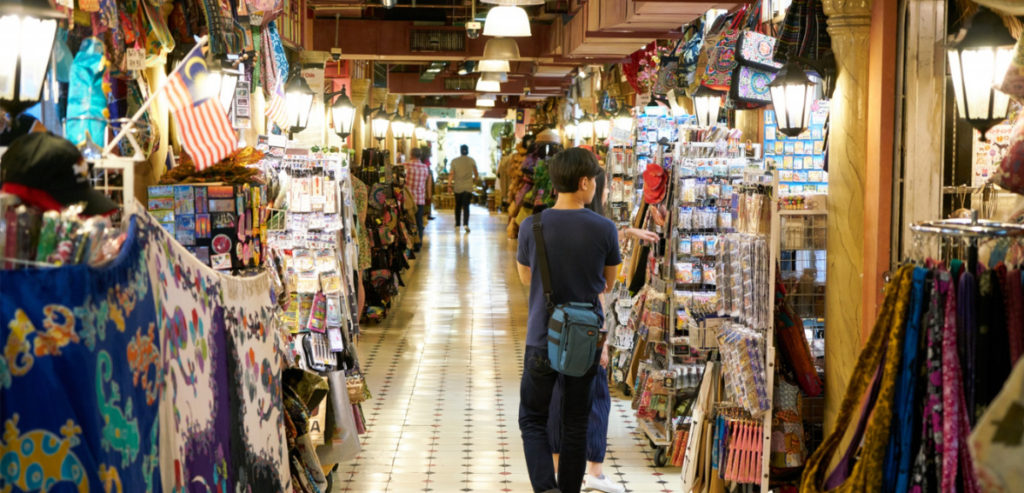
Flexible Store Formats
Retailers are experimenting with smaller stores, temporary pop-up locations, showroom concepts, and experience-focused spaces that complement traditional retail formats. Flexible approaches allow businesses to respond more effectively to changing customer behaviour and market conditions.
Rather than relying exclusively on large permanent stores, retailers increasingly match store formats to customer needs.
These evolving concepts demonstrate continuing retail digital transformation throughout the industry.
Inventory Visibility Across Channels
Customers expect accurate information regarding product availability before visiting stores. Integrated inventory systems allow shoppers to check stock levels online while enabling employees to locate products quickly across multiple locations.
Better inventory visibility reduces customer frustration while supporting more efficient operations throughout retail networks.
Connected inventory management strengthens online vs offline shopping experiences.
Sustainability Influences Retail Design
Environmental responsibility has become increasingly important for both retailers and consumers. Energy-efficient lighting, sustainable store materials, reduced packaging, digital receipts, and responsible supply chain practices all influence modern retail development.
Customers increasingly appreciate businesses demonstrating genuine commitment to sustainability alongside excellent service.
Sustainability has become part of many modern retail strategies shaping future store development.
Supporting Employees With Technology
Modern retail technology simplifies administrative work by automating inventory updates, reporting, scheduling, payment processing, and customer management. Employees spend less time completing repetitive tasks while focusing more on customer engagement.
Technology supports staff productivity rather than replacing the importance of personal service.
This practical application of retail digital transformation benefits both businesses and customers.
Measuring Store Performance Differently
Retail success is no longer measured only by in-store sales. Businesses increasingly evaluate customer engagement, online order collections, loyalty participation, digital interactions, appointment bookings, and omnichannel purchasing behaviour.
Physical stores contribute value throughout the customer journey even when final purchases occur online.
These broader performance measures reflect changing store experience innovation priorities.
Looking Toward the Future
The relationship between physical stores and e-commerce will likely continue becoming more integrated rather than more competitive. AI, augmented reality, personalised recommendations, smart inventory management, and increasingly connected customer experiences will further reshape retail.
Businesses embracing flexibility and continuous improvement will remain better positioned to meet evolving customer expectations.
Future modern retail strategies will continue combining digital convenience with meaningful in-person experiences.
Conclusion
Undoubtedly, the rise of e-commerce has affected the retail industry, but it does not necessarily mean that it has reduced the significance of physical stores. On the contrary, today, the most successful retailers are those who combine the advantages of classical shopping with technology and personalized experience. The customers appreciate more and more the companies that give them the ability to buy their products anytime, anywhere, and anyhow they want.
The digital transformation in retail, physical retail trends, new expectations concerning online versus offline shopping, modern retail strategies, innovations in store experience; all of these help brick-and-mortar retailers stay competitive on the market.
Not perceiving online shopping as a challenge, but as an opportunity for improving the experience of the customers, such retailers can keep playing a key role in the future of retailing for many years.