Retail Self-Checkout Kiosks: Faster Checkout and Enhanced Customer Control
Retail environments are constantly evolving as customer expectations continue to shift toward convenience, speed, and seamless service. Modern shoppers are increasingly accustomed to digital experiences that allow them to control how they interact with businesses. Whether ordering food through mobile apps or completing purchases online, customers expect efficiency and minimal waiting times. As a result, physical retail stores are adopting technologies that bring similar convenience into the in store experience.
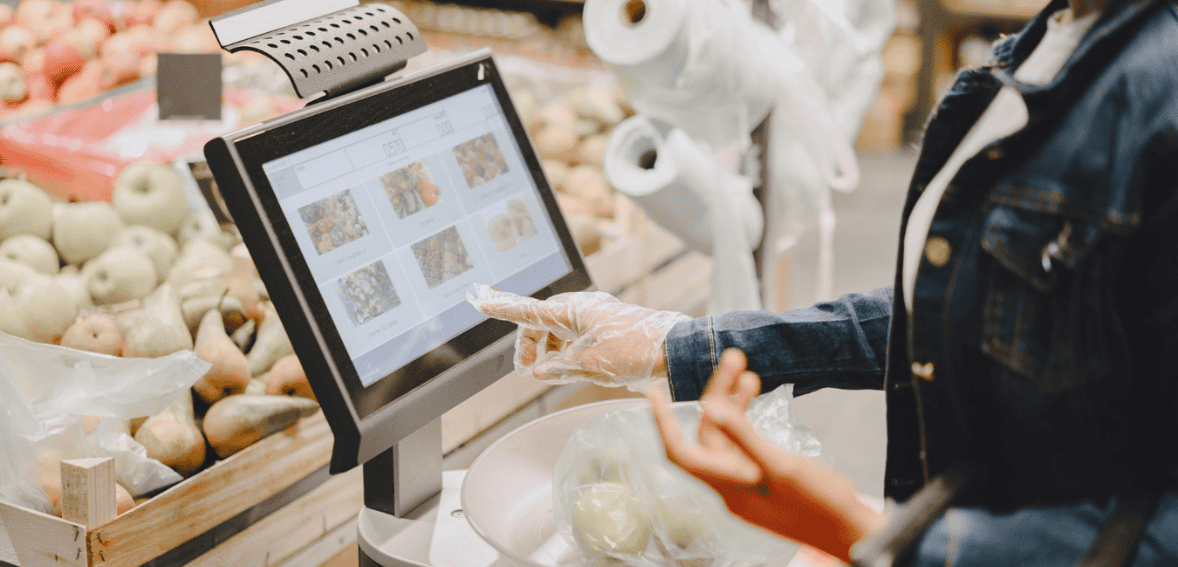
One of the most noticeable innovations in this transformation is the introduction of retail self-checkout kiosks. These digital stations allow customers to scan items, review purchases, and complete payments independently without needing assistance from a cashier. Retailers across industries are investing in these systems to reduce congestion, improve operational efficiency, and create faster checkout experiences.
The expansion of automated checkout systems reflects a broader shift toward digital retail environments where technology enhances both efficiency and customer satisfaction. Advanced kiosk technology retail solutions now include intuitive interfaces, integrated payment processing, and intelligent monitoring features that ensure smooth operations. These innovations are part of a larger ecosystem of customer self-service tech that empowers shoppers while helping retailers streamline operations.
The Rise of Self-Service Technology in Retail
The concept of self service in retail is not entirely new, but its role has grown significantly in recent years. Early forms of self service were limited to vending machines and automated ticketing systems. These solutions provided convenience but handled only very simple transactions. As digital technology advanced, retailers began exploring more sophisticated tools that could manage complex purchases and integrate with existing POS systems.
The introduction of retail self-checkout kiosks marked a major step forward in retail automation. Initially deployed in supermarkets, these kiosks allowed shoppers with smaller baskets to complete transactions quickly without waiting in traditional checkout lines. Over time, the technology improved significantly, making the systems more reliable, user friendly, and capable of handling a wider range of transactions.
Modern automated checkout systems now support multiple payment methods including cards, digital wallets, and contactless payments. Retailers also integrate loyalty programs and promotional offers directly into the checkout process. These improvements in kiosk technology retail have made self checkout stations an essential component of many store layouts. As customer self-service tech continues to advance, retailers are finding new opportunities to enhance the shopping experience through automation.
How Retail Self-Checkout Kiosks Work
Self checkout kiosks are designed to provide customers with a simple and intuitive way to complete purchases independently. These systems typically consist of a touchscreen display, barcode scanner, payment terminal, receipt printer, and bagging platform. Each component works together to replicate the functions of a traditional checkout lane while allowing customers to manage the process themselves.
When customers interact with these self-checkout kiosks in a retail store, they first scan the items they want to purchase using the barcodes on these items. The system then immediately displays the item scanned, along with the price, on the screen, thus generating a running total as the customers continue scanning the items they want to purchase. The customers then put the scanned items in a bagging area, where sensors verify that the customers are putting the right items in the bag.
After scanning all the items, the system then asks the customers to proceed with the payment for the items they have scanned. Most of these automated systems allow customers to make various forms of payment, such as debit cards, credit cards, contactless cards, and mobile wallets. Once the customers have made the payment, the kiosk then generates a receipt, thus finalizing the purchase.
Advancements in kiosk technology in retail have enhanced the accuracy and reliability of these automated systems. Most kiosks are also equipped with intelligent monitoring tools that detect any abnormalities in the transactions carried out in these kiosks.
Improving Checkout Speed and Reducing Wait Times
Long checkout lines are one of the most common frustrations customers experience in retail stores. During peak shopping hours, customers may spend several minutes waiting for a cashier to become available. This delay can negatively affect customer satisfaction and may even lead to abandoned purchases.
The introduction of retail self-checkout kiosks helps retailers address this challenge by increasing the number of available checkout points within a store. Instead of relying solely on traditional cashier lanes, businesses can install multiple kiosks that allow several customers to complete transactions simultaneously.
Because automated checkout systems operate independently, they significantly reduce congestion during busy periods. Customers with only a few items often prefer using kiosks because they can complete their purchases quickly without waiting behind shoppers with full carts.
Modern kiosk technology retail platforms are also optimized for speed. Improved scanning systems, responsive touchscreens, and integrated payment processing ensure that transactions are completed efficiently. By implementing customer self-service tech, retailers create a checkout environment that prioritizes convenience and efficiency for modern shoppers.
Enhancing Customer Control and Shopping Experience
One of the key advantages of self checkout technology is the level of control it provides to customers. Many shoppers appreciate the ability to manage their purchases without relying on staff assistance. This independence allows customers to move through the checkout process at their own pace and review each item before completing payment.
For consumers who prioritize privacy or efficiency, self-checkout lanes in retail settings may prove an attractive solution. This is especially the case during peak shopping seasons when the need for speed is at a premium.
The success of automated retail checkout is heavily dependent on the advancements made in the user interface of the checkout lanes. The current self-checkout lanes are designed with clear instructions, touch screens, and navigation steps that are simple even for the elderly.
The advancements in retail kiosk technology have been aimed at ensuring that the self-checkout lanes are not only user-friendly but also incorporate the latest features, including the ability to join a store’s loyalty program and receive digital receipts. These advancements are a reflection of the overall trend of self-service technology that is empowering the consumer to create their own shopping experiences.
Operational Efficiency for Retail Businesses
Beyond improving the customer experience, self checkout systems also provide significant operational benefits for retailers. Staffing traditional checkout lanes requires employees to scan items, process payments, and manage customer interactions throughout the day. During slower periods, maintaining multiple staffed lanes may lead to inefficient labor utilization.
By installing retail self-checkout kiosks, retailers can handle routine transactions more efficiently while allowing staff members to focus on other responsibilities. Employees can assist customers, restock shelves, manage inventory, and maintain store organization rather than spending their entire shift operating registers.
Modern automated checkout systems also generate valuable operational data. Retailers can analyze transaction patterns, peak shopping hours, and product popularity through reports generated by these systems.
Advanced kiosk technology retail platforms integrate with POS and inventory management systems, providing real time insights into sales performance. These capabilities demonstrate how customer self-service tech not only improves customer convenience but also strengthens operational efficiency.
Security and Loss Prevention in Self-Checkout Systems
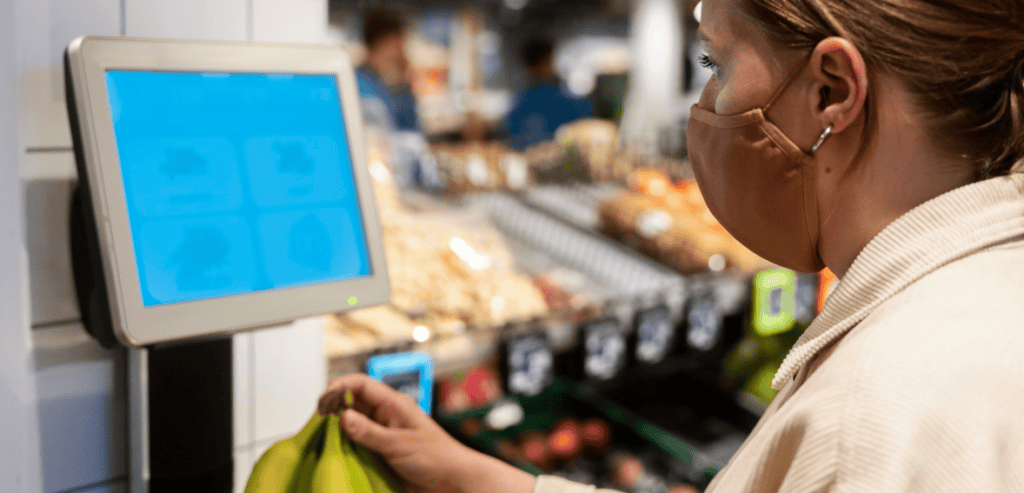
Although the self-checkout machine has many advantages, the security risks of the automated transactions cannot be ignored by the retailers. The possibility of errors by the customers during the transactions is a concern, as the customers are responsible for scanning the items.
To reduce the security risks, the retail self-checkout machines have been equipped with many security features that help in the verification of the transactions. One of the security features is the use of weight sensors at the bagging area of the self-checkout machine, which helps in the confirmation of the scanned items with the items in the bag.
The advanced automated checkout machines are equipped with cameras that help in the identification of the transactions, as well as AI tools that help in the identification of suspicious activities, such as the items being placed in the bag without scanning.
The self-checkout machines are monitored by the retail staff, who are responsible for assisting the customers with the transactions, ensuring that the transactions are done correctly. The improvements in the retail self-checkout machine technology have made the self-checkout machines much more secure, as well as convenient, for the customers.
Expanding Applications Across Retail Sectors
Self-checkout kiosks are not just limited to supermarkets anymore, as many industries are now using these technologies to enhance their business efficiency.
Convenience stores are using retail self-checkout kiosks, especially during peak hours, as they help in quick transactions.
Electronics stores are using self-checkout kiosks for the sale of accessories, while department stores are using these retail self-checkout kiosks during peak hours of sales.
Pharmacies and other stores are increasingly adopting automated retail self-checkout kiosks, as they help in quick transactions, thereby reducing the queue.
The flexibility of the current retail self-checkout kiosk technology has enabled businesses across industries to design the retail self-checkout kiosks according to their needs.
With the evolution of self-checkout kiosks, many industries are looking for ways to incorporate these technologies into their business operations.
The Future of Self-Service Retail Technology
The future of retail technology is also related to the development of automation technology and digital customer experiences. As the technology related to AI and machine learning improves, self-checkout technology is also likely to improve.
The future of self-checkout technology in retail stores could also include the development of technology that can recognize products without the need to scan them using barcodes. Cameras could be used to recognize products that are placed in the checkout area.
The future of self-checkout technology could also include the development of technology related to the use of mobile applications that can scan products as customers shop and make payments.
The future of kiosk technology retail could also include the development of voice guidance technology related to the use of AI technology. This could also strengthen the role of self-service technology in the future.
Conclusion
Self service technology has become an essential component of modern retail operations as businesses strive to meet the expectations of today’s customers. Shoppers increasingly value speed, convenience, and control when completing purchases, and self checkout systems help retailers deliver these benefits effectively. The adoption of retail self-checkout kiosks allows stores to reduce waiting times while giving customers greater independence during the checkout process. These systems improve operational efficiency by handling routine transactions and enabling staff members to focus on other important tasks. Modern automated checkout systems continue evolving with improved interfaces, faster payment processing, and enhanced security features.
Advancements in kiosk technology retail are making these systems more reliable and adaptable across different retail sectors. As customer self-service tech continues to develop, retailers will discover new opportunities to integrate automation into their store environments. By combining innovative technology with thoughtful store design, retailers can create shopping experiences that are efficient, convenient, and aligned with the expectations of modern consumers.