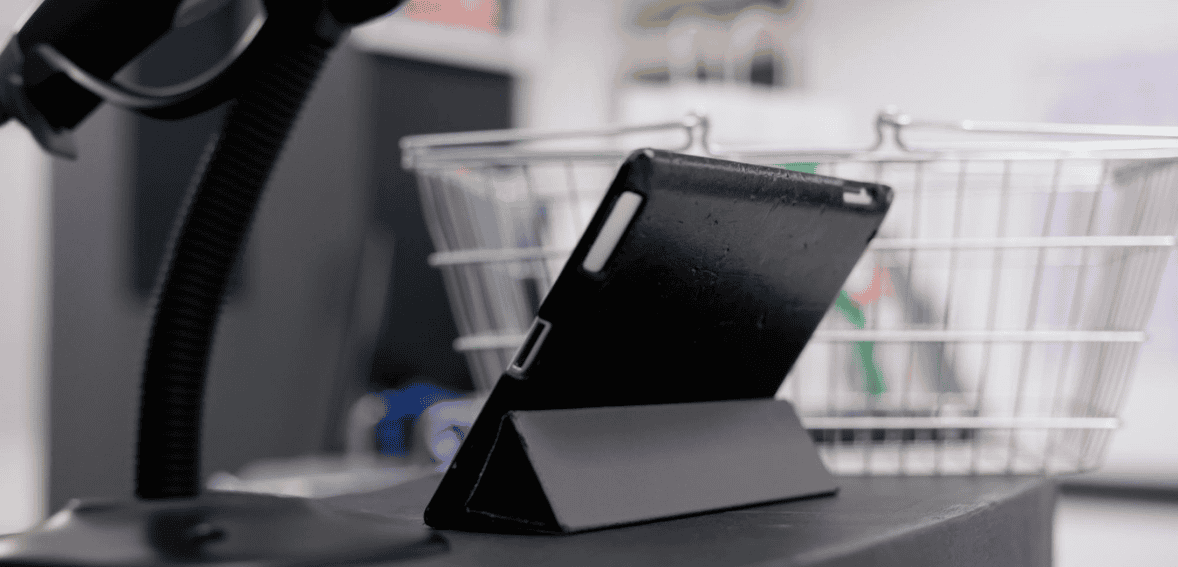
Digital Checkout Retail Systems: Streamlining Payments and Reducing Wait Times
The retail experience has changed significantly in recent years, driven by evolving customer expectations and rapid advancements in technology. Shoppers today value speed, convenience, and minimal friction during their purchasing journey. One of the most noticeable areas where this transformation is taking place is at the checkout stage, which has traditionally been a point of delay and frustration.
Digital checkout retail systems are now addressing these challenges by reimagining how transactions are completed. Instead of long queues and manual billing processes, modern checkout solutions focus on efficiency, automation, and seamless interaction. As a result, businesses are not only improving operational performance but also enhancing customer satisfaction in a meaningful way.
The Evolution of Checkout in Retail
The checkout process has undergone a significant change from traditional cash counters and billing systems. Earlier, it was a tedious task that required a lot of human intervention, right from scanning the products to calculating the total amount. Though it was a good concept, it used to cause a lot of delays, especially during peak hours.
Digital retail solutions for checkout counters have provided a more streamlined experience. With the implementation of advanced technologies, it is now possible for retailers to carry out transactions more quickly and accurately. These solutions minimize human intervention, thus providing a hassle-free experience for customers. This is not just about saving time, but it is about creating a better experience for customers.
Queue management solutions have a significant role to play in this. By analyzing the flow of customers, it is possible to optimize the checkout counters, thus minimizing delays. This ensures that customers do not waste too much of their time and can enjoy their shopping experience.
Understanding Digital Checkout Retail Systems
Digital checkout retail is a term that refers to the use of technology in a manner that facilitates the automation of payments. This includes self-checkout counters, mobile payments, and billing systems that can be used for payments. These systems are designed in a manner that ensures that there is minimal human interaction, yet they are reliable.
One of the main benefits of digital checkout retail is that it has the ability to facilitate multiple transactions. This is unlike traditional counters, where the number of people is a limiting factor. This is particularly beneficial in times when there is a high flow of customers. Contactless checkout solutions are a significant part of this. This is a system that allows people to make payments without having to physically touch anything. This has been a significant factor in recent times, given that safety and convenience are of utmost importance.
The Role of Contactless Checkout Solutions
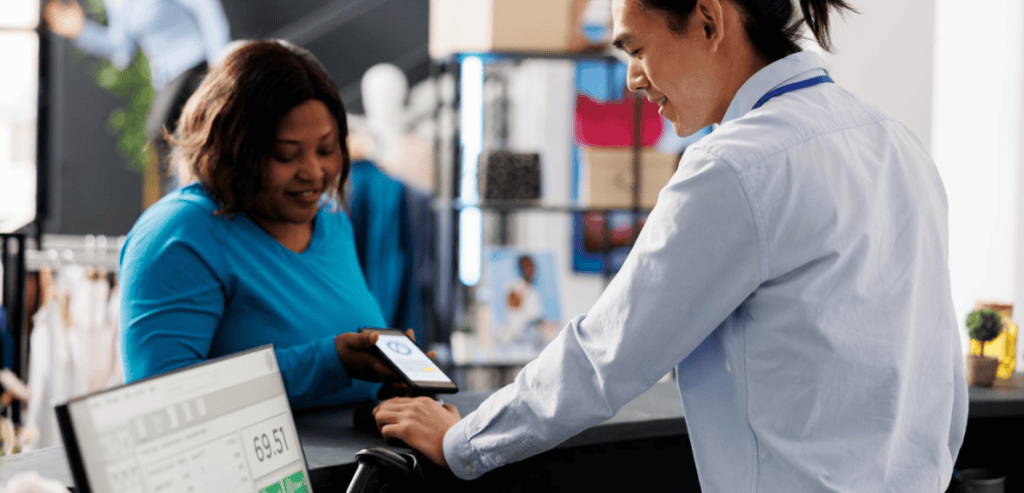
Contactless checkout solutions have become popular due to their ease of use and efficiency in the checkout process. For instance, customers can simply tap their cards or devices to make payments, thereby avoiding the hassle of handling cash or inserting cards into the payment terminal.
In a digital checkout retail environment, contactless checkout solutions are integrated with other technology to provide a seamless checkout experience for customers. For instance, customers may be allowed to check out items by scanning them with a mobile device and making payments without the need to physically go to the checkout counter. This has revolutionized the retail experience.
Fast payment processing retail systems provide the necessary support for contactless checkout solutions by ensuring that the payment processing is fast and secure. Advanced payment gateway technology and encryption ensure that the checkout experience is secure and fast, thereby creating a high level of trust with customers.
Reducing Wait Times Through Automation
Long queues in a retail store have always been a problem, and this has affected both the customers and the efficiency of the store. Digital checkout retail solutions help in solving this problem by incorporating automation in the checkout process. For example, a self-service kiosk, a mobile checkout option, and a billing system can be used for this purpose.
Queue management technology is another option that is used in conjunction with these technologies. For example, the flow of customers is tracked, and accordingly, more check-out counters may be opened. Similarly, customers may be directed to areas where there are fewer people. This is a dynamic approach that can be used to solve this problem.
Fast payment processing retail solutions are another option that is used to ensure efficiency in a store. For example, delays in the checkout process may be eliminated by incorporating a faster processing system. This will ensure that customers can proceed quickly without having to wait in long queues, thus creating a more pleasant shopping experience.
Enhancing Customer Experience
Customer experience is a critical factor in retail success, and the checkout process plays a significant role in shaping it. A smooth and efficient checkout experience leaves a lasting impression and encourages repeat visits. Digital checkout retail systems are designed to deliver this level of convenience and satisfaction.
Contactless checkout solutions make transactions quick and effortless, allowing customers to focus on their shopping rather than the payment process. This is particularly beneficial in busy environments where time is limited. By reducing friction, retailers can create a more enjoyable experience for their customers.
Queue management technology also contributes to customer satisfaction by ensuring that waiting times are kept to a minimum. When customers can move through the checkout process quickly, they are more likely to have a positive perception of the brand. This can lead to increased loyalty and higher retention rates.
Improving Operational Efficiency
From a business perspective, digital checkout retail systems offer significant operational benefits. By automating repetitive tasks, these systems reduce the workload on staff and allow them to focus on more value-added activities such as customer service and inventory management.
Fast payment processing retail solutions ensure that transactions are handled efficiently, reducing the chances of errors and delays. This improves overall productivity and helps retailers manage high volumes of transactions without compromising on quality. Queue management technology provides valuable insights into customer behaviour and traffic patterns. Retailers can use this data to optimise store layouts, allocate resources effectively, and plan for peak periods. This data-driven approach leads to better decision-making and improved performance.
Integrating Digital Checkout with Retail Ecosystems
Digital checkout retail systems are most effective when they are integrated with other aspects of the retail ecosystem. This includes inventory management, customer relationship management, and marketing platforms. Integration ensures that all systems work together seamlessly, creating a unified experience for both customers and staff.
Contactless checkout solutions can be linked with loyalty programs and personalised offers, allowing customers to earn rewards and receive discounts during transactions. This adds an extra layer of engagement and encourages repeat purchases. Fast payment processing retail systems support this integration by ensuring that all transactions are recorded accurately and in real time. This helps retailers maintain up-to-date records and make informed decisions based on accurate data.
Addressing Security and Privacy Concerns
As digital checkout retail systems become more advanced, security and privacy have become important considerations. Customers need to feel confident that their personal and financial information is protected during transactions.
Contactless checkout solutions use advanced encryption and authentication methods to ensure secure transactions. These technologies protect sensitive data and reduce the risk of fraud. Retailers must also implement robust security measures to safeguard their systems and maintain customer trust. Fast payment processing retail platforms are designed to comply with industry standards and regulations, ensuring that transactions are handled securely. By prioritising security, retailers can create a safe and reliable environment for their customers.
Adapting to Changing Consumer Behaviour
Consumer behaviour is constantly evolving, influenced by technology and changing lifestyles. Shoppers are increasingly looking for convenience and flexibility, which digital checkout retail systems are well equipped to provide.
Contactless checkout solutions align with these preferences by offering quick and easy payment options. Customers can choose the method that suits them best, whether it is a mobile wallet, card, or other digital solution. This flexibility enhances the overall shopping experience. Queue management technology helps retailers adapt to these changes by providing insights into customer preferences and behaviour. This allows businesses to adjust their strategies and stay ahead of evolving trends.
Overcoming Implementation Challenges
While the benefits of digital checkout retail systems are clear, implementing them can be challenging. Retailers need to invest in technology, training, and infrastructure to ensure successful adoption. It is important to choose solutions that align with business needs and customer expectations.
Contactless checkout solutions must be user-friendly and reliable to ensure widespread acceptance. Customers should be able to use these systems without difficulty, and any technical issues should be addressed promptly. Fast payment processing retail systems require robust infrastructure to handle high volumes of transactions. Retailers must ensure that their systems are capable of delivering consistent performance, even during peak periods.
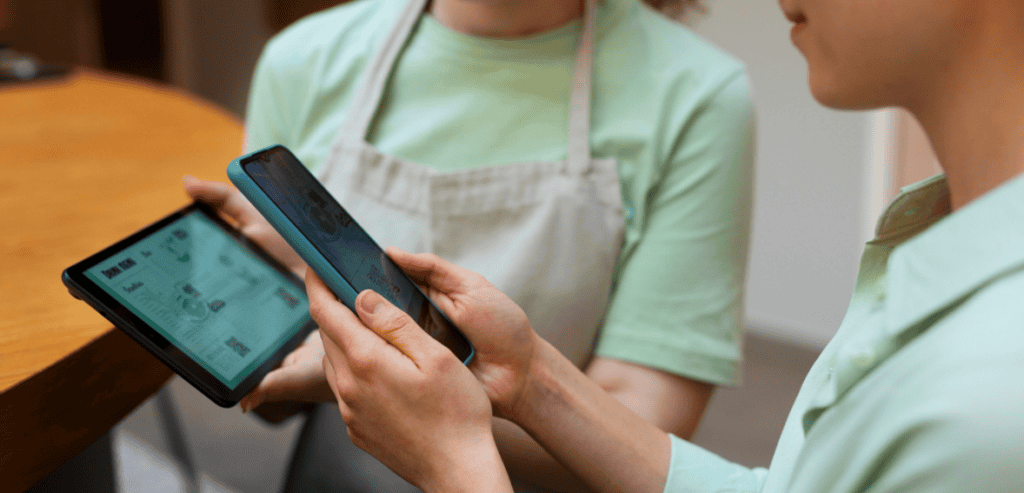
The Future of Digital Checkout Systems
The future of digital checkout retail is likely to be shaped by continued innovation and technological advancements. Emerging technologies such as AI and machine learning are expected to play a significant role in enhancing checkout systems. Contactless checkout solutions will continue to evolve, offering even more convenience and flexibility. New payment methods and technologies will further simplify the transaction process, making it faster and more efficient.
Queue management technology will become more sophisticated, using real-time data and predictive analytics to optimise operations. This will help retailers manage customer flow more effectively and reduce wait times even further. Fast payment processing retail systems will also see improvements in speed and security, ensuring that transactions are completed quickly and safely. These advancements will contribute to a more seamless and enjoyable shopping experience.
The Role of Mobile Integration in Digital Checkout
Mobile integration has become a key component of digital checkout retail systems, allowing customers to use their smartphones as a central tool throughout their shopping journey. From scanning products to completing payments, mobile-enabled solutions bring flexibility and convenience to the checkout process. This reduces reliance on fixed checkout counters and gives customers more control over how they complete their purchases.
Contactless checkout solutions are often powered by mobile integration, where digital wallets and apps enable quick and secure transactions. Customers can simply scan a code or tap their device, making the process faster and more intuitive. This not only improves the user experience but also supports fast payment processing retail environments where speed is critical.
Queue management technology benefits from mobile integration by reducing congestion at physical counters. When more customers choose mobile checkout options, the pressure on in-store infrastructure decreases. This leads to smoother operations and shorter waiting times. For retailers, mobile integration also opens up opportunities for personalised engagement, as apps can offer recommendations, promotions, and updates during the checkout process.
Impact on Workforce and Store Operations
The adoption of digital checkout retail systems has brought noticeable changes to workforce dynamics and store operations. While automation reduces the need for manual billing, it does not eliminate the importance of human involvement. Instead, it shifts the role of staff towards customer assistance, problem-solving, and enhancing the overall shopping experience.
Fast payment processing retail systems allow employees to focus less on repetitive tasks and more on value-driven interactions. Staff can assist customers with using contactless checkout solutions, manage exceptions, and ensure that the technology functions smoothly. This improves service quality and creates a more supportive in-store environment.
Queue management technology also helps optimise workforce allocation by providing insights into peak hours and customer flow. Retailers can deploy staff more effectively, ensuring that resources are used efficiently without overburdening employees. This balance between technology and human support is essential for maintaining a positive customer experience while improving operational productivity.
Personalisation Opportunities at Checkout
Checkout is no longer just a transactional stage. It has become an important touchpoint for personalised engagement. Digital checkout retail systems enable retailers to use customer data to tailor offers, recommendations, and incentives at the point of payment, making the experience more relevant and engaging.
Contactless checkout solutions integrated with customer profiles can display personalised discounts or loyalty rewards during transactions. This creates a sense of recognition and encourages customers to return. Fast payment processing retail systems ensure that these personalised elements are delivered without slowing down the checkout process.
Queue management technology indirectly supports personalisation by ensuring that customers reach checkout quickly, allowing them to interact with these features without frustration. When customers experience both speed and relevance, it enhances satisfaction and strengthens brand loyalty. Personalisation at checkout transforms a routine process into an opportunity for deeper customer connection.
Scalability and Flexibility for Growing Retailers
As retail businesses expand, the ability to scale operations becomes increasingly important. Digital checkout retail systems are designed to grow with the business, offering flexibility and adaptability across different store sizes and formats. This makes them a valuable investment for both small retailers and large chains.
Contactless checkout solutions can be implemented in various environments, from compact stores to large retail spaces, without requiring significant structural changes. This flexibility allows businesses to adopt new technologies without disrupting existing operations. Fast payment processing retail systems ensure that performance remains consistent even as transaction volumes increase.
Queue management technology plays a crucial role in scalability by helping retailers manage higher customer traffic efficiently. As stores grow busier, these systems provide the insights needed to maintain smooth operations and minimise delays. By combining scalability with efficiency, digital checkout retail solutions enable businesses to handle growth while maintaining a high standard of customer experience.
Conclusion
Digital checkout retail systems are transforming the way transactions are handled in the retail industry. By streamlining payments and reducing wait times, these systems are enhancing both customer experience and operational efficiency. The integration of contactless checkout solutions, fast payment processing retail technologies, and queue management technology is creating a more efficient and convenient shopping environment.
As consumer expectations continue to evolve, retailers must embrace these innovations to stay competitive. By investing in digital checkout retail solutions and focusing on customer needs, businesses can build stronger relationships and drive long-term success. The future of retail lies in creating seamless, efficient, and engaging experiences, and digital checkout systems are at the heart of this transformation.