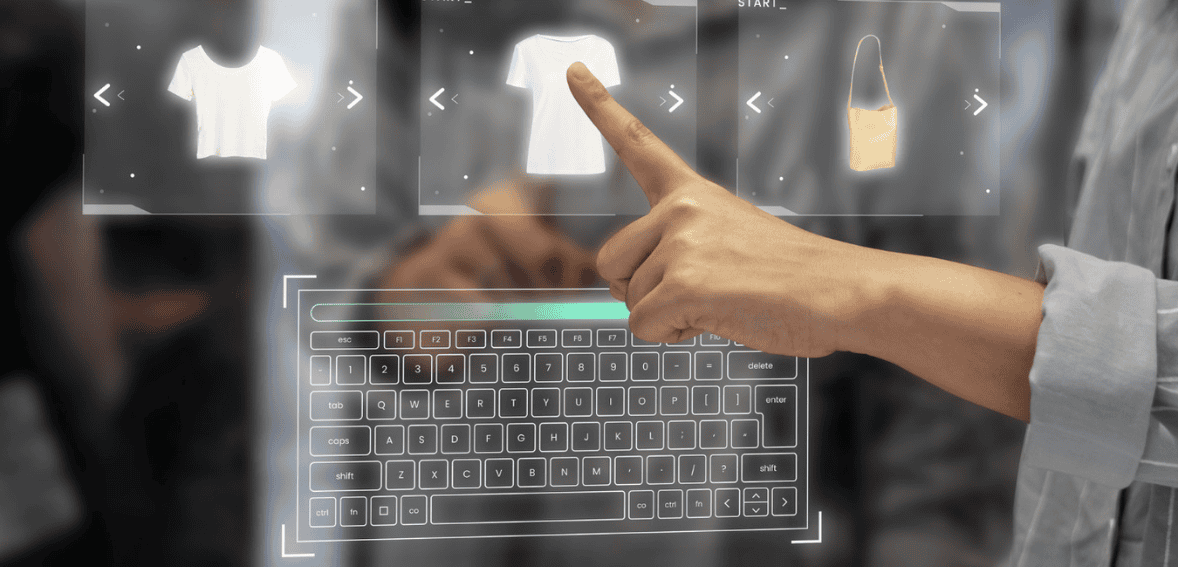
Enhancing Customer Experience with AI Recommendations in Retail
Retail has changed dramatically over the past decade as customer expectations continue evolving alongside technology. Modern shoppers no longer want a simple buying experience where products are displayed and purchased with minimal interaction. They now expect brands to understand their preferences, anticipate their needs, and deliver highly relevant suggestions across every touchpoint. Whether customers are shopping online, browsing a mobile app, or visiting a physical store, they expect experiences that feel personalised, convenient, and seamless. This shift has pushed retailers to adopt advanced technologies that can better understand customer behaviour and improve engagement.
Among the most influential innovations shaping modern retail is AI. Retailers around the world are increasingly investing in AI systems that analyse customer data and generate meaningful product recommendations. These technologies are helping businesses improve sales, reduce customer frustration, and create more engaging shopping journeys. The rise of the AI recommendation engine retail businesses now rely on has transformed how customers discover products and interact with brands. At the same time, personalized retail marketing strategies supported by AI are helping companies deliver more relevant promotions, improve customer loyalty, and strengthen long-term relationships.
With the increase in competition within the retail industry, companies are beginning to understand that customer experience can be just as important as the price of products. Customers can compare various products and their prices within seconds, with convenience and personalization being key factors for them. This is when the role of customer experience technology becomes extremely critical. Recommendation engines using AI have not only been revolutionizing the online shopping experience but are also contributing to the development of intelligent brick-and-mortar stores.
The Changing Expectations of Modern Retail Customers
Consumer behaviour has evolved significantly in recent years due to the growth of e-commerce, social media, and mobile technology. Customers today are exposed to an endless number of products, advertisements, and brands every day. As a result, attention spans are shorter, and shoppers expect retailers to simplify decision-making rather than overwhelm them with choices. Customers want businesses to provide relevant recommendations quickly and efficiently without requiring excessive searching or browsing.
Online shopping platforms have contributed heavily to this expectation. Leading digital retailers have trained consumers to expect personalised suggestions based on browsing history, previous purchases, and preferences. When customers receive relevant recommendations, shopping becomes easier and more enjoyable. This convenience creates positive emotional connections with brands and encourages repeat visits.
At the same time, traditional retail shops are also responding to this trend. Previously, retail was all about displaying merchandise and offering services in person. Today’s retailers incorporate technologies such as mobile applications and other tools into their systems to provide connected experiences. Customers today seek uniformity in both digital and physical experiences. If a consumer is browsing items online, they may also want a similar personalized experience when visiting a shop, either from staff members or via mobile applications.
The stakes are higher for retailers as consumers today have more choices than ever. A single poor experience may be enough for them to switch brands instantly. Therefore, retailers need solutions that will understand customers better and offer them experiences that resonate with their needs and interests. This has led to investments in customer experience technology among the world’s leading retailers.
Understanding AI-Powered Recommendation Systems
An AI recommendation engine retail businesses use is designed to analyse customer behaviour and predict products or services that may interest individual shoppers. These systems use machine learning algorithms, behavioural data, and purchasing patterns to generate personalised suggestions in real time. Instead of presenting identical product listings to every customer, AI systems customise recommendations based on individual preferences and interactions.
Recommendation systems gather information from multiple sources, including browsing history, purchase records, wish lists, search behaviour, location data, and customer demographics. The AI analyses patterns within this information to identify similarities between products and customer interests. Over time, the system becomes more accurate as it learns from customer interactions and feedback.
For example, if a customer regularly purchases fitness products, the recommendation engine may suggest workout accessories, nutrition supplements, or athletic clothing that align with previous interests. Similarly, if shoppers browse certain fashion categories repeatedly without purchasing, the system may highlight discounts or related items to encourage conversion.
The strength of an AI recommendation engine retail companies implement lies in its ability to process massive amounts of data instantly. Human marketers cannot manually analyse millions of customer interactions in real time, but AI systems can identify patterns and trends almost immediately. This allows retailers to deliver personalised shopping experiences at scale while improving operational efficiency.
AI recommendation systems are commonly used on e-commerce websites, mobile apps, streaming platforms, and social commerce channels. However, their role is expanding into physical retail environments as well. Smart kiosks, digital displays, and mobile shopping assistants are increasingly using AI to provide recommendations inside stores, helping bridge the gap between digital and physical retail experiences.
The Role of Personalized Retail Marketing
Personalisation has become one of the most important strategies in modern retail because customers respond more positively to content and offers that feel relevant to their interests. Personalized retail marketing uses customer data and AI insights to create targeted campaigns, product recommendations, and shopping experiences that align with individual preferences.
Traditional marketing often relied on broad campaigns targeting large groups of people with the same message. While this approach can create awareness, it often lacks relevance for individual customers. AI-driven personalisation allows retailers to tailor communication more precisely, increasing the likelihood of customer engagement and conversion.
Today, the practice of personalised marketing is applied to various marketing activities, including emails, mobile messages, website personalisation, social media ads, and loyalty programmes. If a client regularly buys skincare products, for instance, AI algorithms will offer new beauty products to try out, provide customised promotions, or suggest associated products on upcoming visits. This way, clients feel recognised instead of being addressed as anonymous customers.
Moreover, personalised retail marketing helps keep customers. It becomes more likely for people to stick with a brand that continuously provides them with relevant information. By means of AI systems, businesses understand clients’ purchasing patterns, seasonality, and preferences, thus managing to build relationships beyond sales.
Most importantly, any approach to personalisation should be balanced. Clients like convenience and relevance but may feel uneasy if they see that they are being watched too much. Thus, retail businesses must adopt transparent data policies and use AI responsibly.
Improving Product Discovery Through AI
One of the biggest challenges customers face in retail is navigating large product catalogues. Modern online stores often offer thousands or even millions of products, making it difficult for shoppers to find exactly what they need quickly. AI recommendation systems help simplify this process by narrowing choices and presenting products that are most likely to match customer interests.
An AI recommendation engine retail platforms use can significantly improve product discovery by identifying connections between customer behaviour and inventory data. Instead of relying solely on search functions or category browsing, AI systems proactively suggest products based on real-time interactions and historical preferences.
It enhances convenience and boosts customer satisfaction. Customers would find their shopping experience fun and interesting if recommended products are available during their interaction with the website. Recommendations from AI help prevent decision fatigue by introducing customers to products they might not come across otherwise.
Product discovery is especially important for fashion, electronics, beauty, and lifestyle brands as customers tend to browse and look at products without any particular intention of making an immediate purchase decision. Product recommendation through AI helps provide suggestions related to complementary items or styles, etc. This is also beneficial to the retailer because product discovery leads to higher sales and more conversions since customers who view recommended products are more likely to purchase.
Enhancing Customer Experience Across Multiple Channels
Modern retail operates across multiple channels including websites, mobile apps, physical stores, social commerce platforms, and marketplaces. Customers expect seamless experiences regardless of where interactions occur. AI-powered recommendation systems play a major role in maintaining consistency across these touchpoints.
Customer experience technology allows retailers to unify customer data across channels, creating connected shopping journeys. For example, if a customer browses products online but visits a physical store later, AI systems can continue recommending relevant items based on previous interactions. This continuity creates a smoother and more personalised retail experience.
Recommendations by AI tools have been adopted by retailers in mobile applications as well. Personalized notifications, location-based recommendations, and search browsing history are used by mobile applications to lead consumers to certain goods and deals. Thus, brands are able to engage their audience even outside the time of active shopping process.
Social commerce is yet another domain where AI recommendations become especially vital for business growth. Social platforms like Instagram, TikTok, and Facebook enable integrated shopping experience and make use of AI recommendations that suggest products depending on the consumer’s behavior patterns. Advanced retail AI solutions give opportunities to brands to engage consumers in social media through personalized content.
Lastly, AI-powered recommendations become common in the context of in-store experiences. Smart mirrors, interactive display screens, and mobile shopping assistants become capable of suggesting relevant products for consumers thanks to AI.

AI and Customer Loyalty in Retail
Customer loyalty has become more difficult to maintain because consumers now have countless shopping options available online. Brands therefore need to create experiences that encourage repeat engagement and emotional connection. AI-powered recommendation systems contribute significantly to loyalty-building strategies by making shopping experiences more relevant and enjoyable.
Customers are more likely to return to retailers that understand their preferences and provide personalised interactions consistently. An AI recommendation engine retail companies implement can remember customer behaviour, predict future interests, and deliver recommendations that evolve over time. This creates a sense of familiarity that strengthens customer relationships.
AI technology is also being leveraged by loyalty programs. Rather than providing standard incentives, loyalty programs are now capable of customizing loyalty programs for individual shoppers based on their preferences. Consumers could be offered personalized suggestions and special deals to encourage them to participate more in loyalty programs.
Retailers also utilize AI technology to maintain customer engagement through personalized retail marketing. AI software can detect consumer buying cycles and deliver appropriate reminders, thereby making sure that consumers continue to return to the brand without having to rely on traditional advertising methods.
Through the use of AI technologies, retailers are able to determine valuable consumers and customize their experience with the brand. For instance, retailers are able to determine purchasing behaviors and spending trends and customize loyalty rewards programs for specific consumers.
The Impact of AI on Retail Decision Making
AI-powered recommendation systems do more than improve customer interactions. They also provide retailers with valuable insights that support better business decisions. By analysing customer behaviour patterns, retailers can better understand demand trends, popular products, and emerging preferences.
Retail AI solutions help businesses optimise inventory management by identifying which products are likely to perform well in different regions or customer segments. This reduces overstocking and improves supply chain efficiency. AI systems can also predict seasonal trends more accurately, helping retailers prepare inventory and marketing strategies in advance.
Customer behaviour analysis also supports pricing decisions. Retailers can study how customers respond to promotions, discounts, and product recommendations in real time. This allows businesses to refine pricing strategies while maintaining competitiveness in rapidly changing markets.
AI-driven insights additionally support store layout planning and merchandising decisions. Retailers can analyse how customers navigate digital and physical shopping environments, identifying areas where product recommendations or displays can improve engagement. These insights help businesses create more effective shopping experiences while increasing sales opportunities.
Importantly, AI systems provide retailers with actionable information that can be updated continuously. Unlike traditional market research, which may become outdated quickly, AI-driven analytics reflect real-time customer behaviour and changing market conditions.
Challenges in Implementing AI Recommendation Systems
Despite their benefits, AI-powered recommendation systems come with several challenges that retailers must address carefully. One of the biggest concerns involves customer data privacy. Recommendation engines rely heavily on collecting and analysing customer information, making data security and transparency essential.
Customers are becoming more aware of how businesses use personal data, and many expect clear explanations regarding information collection and usage. Retailers must therefore implement responsible data practices while complying with privacy regulations and maintaining customer trust.
Another challenge involves algorithm accuracy. Poor recommendations can frustrate customers and damage brand perception. If AI systems repeatedly suggest irrelevant products, customers may lose confidence in the retailer’s digital experience. Retailers therefore need high-quality data and continuous system optimisation to maintain recommendation relevance.
Implementation challenges can also be faced by smaller retailers who would find it difficult to finance the implementation process or to understand how exactly it should be done due to the complexity of modern technologies. Big retailers usually have bigger budgets allocated for technologies.
Another problem that can arise while implementing an AI system is over-personalization, which could make some customers uncomfortable. While recommending products based on consumer history and preferences is fine, making these recommendations in such a personalized way that it might seem intrusive to consumers is definitely not. Lastly, AI algorithms must be used in tandem with human reasoning, not vice versa.
The Future of AI Recommendations in Retail
The future of retail will likely involve even deeper integration between AI and customer experience. As AI systems become more advanced, recommendations will become increasingly accurate, predictive, and context-aware. Retailers will continue using customer experience technology to create shopping journeys that feel highly personalised while remaining convenient and intuitive.
Voice commerce and conversational AI are expected to play a larger role in recommendation systems. Customers may increasingly interact with virtual shopping assistants capable of understanding preferences, answering questions, and suggesting products through natural conversations. This could make shopping more interactive and accessible across multiple devices and platforms.
Augmented reality and virtual reality technologies may also combine with AI recommendations to create immersive retail experiences. Customers could virtually try products while AI systems recommend styles, colours, or accessories based on personal preferences and past behaviour. These experiences could significantly transform fashion, beauty, and home decor retail sectors.
Retail AI solutions are also likely to improve sustainability efforts by helping retailers predict demand more accurately and reduce waste. Smarter inventory forecasting and personalised recommendations can minimise excess production while ensuring customers discover products relevant to their needs. As AI technology evolves, retailers will need to focus not only on efficiency but also on ethics and trust. Transparent AI usage, responsible data management, and inclusive algorithms will become increasingly important as customers demand greater accountability from brands.
Conclusion
AI is reshaping the retail industry by helping businesses deliver smarter, faster, and more personalised customer experiences. Modern shoppers expect convenience, relevance, and seamless engagement across digital and physical channels, making AI-powered recommendation systems an essential part of competitive retail strategy. The growing adoption of the AI recommendation engine retail businesses depend on demonstrates how deeply personalisation is influencing modern shopping behaviour.
Through personalized retail marketing, retailers can create more meaningful interactions that improve customer satisfaction and strengthen loyalty. AI systems help businesses understand customer preferences at a deeper level while guiding shoppers toward products that align with their interests. At the same time, customer experience technology is helping retailers unify online and offline interactions, creating connected experiences that feel more intuitive and consistent.
Retailers investing in advanced retail AI solutions are gaining valuable insights that support better decision-making, inventory management, and long-term customer engagement. While challenges related to privacy, implementation, and algorithm accuracy still exist, the benefits of AI-powered recommendations continue driving widespread adoption across the industry.
As technology continues evolving, the future of retail will become increasingly personalised and data-driven. Businesses that successfully combine AI innovation with genuine customer understanding will be better positioned to build trust, strengthen loyalty, and thrive in a rapidly changing retail environment.