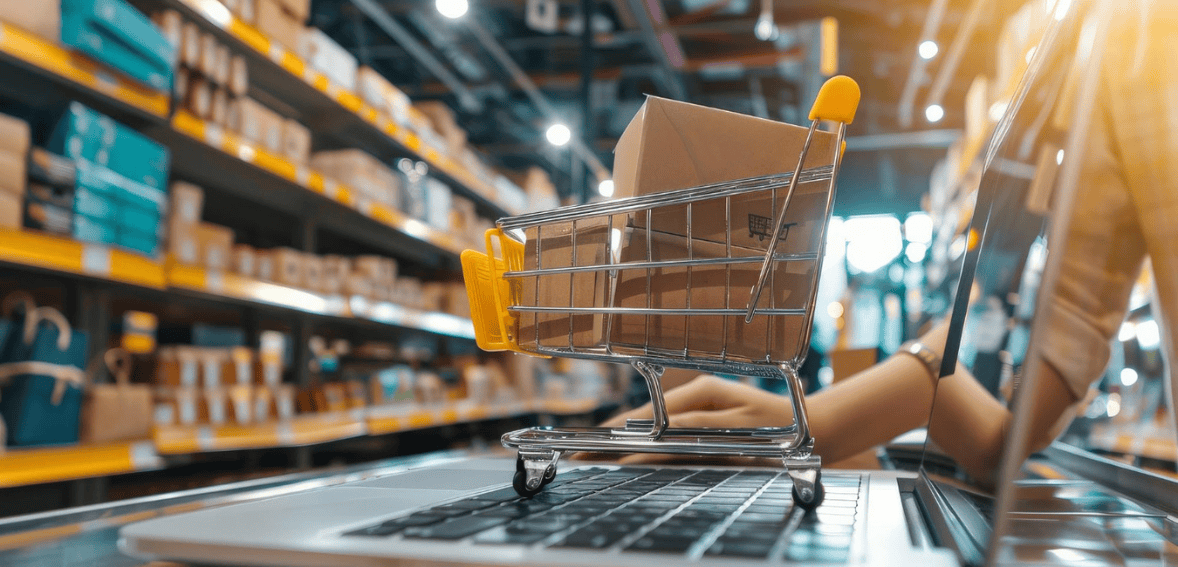
Omnichannel Retail Integration: Integrating E-commerce and In-Store Systems for Seamless Retail Operations
Retail has evolved far beyond the traditional store model. Today’s customers expect to browse products online, check availability in nearby stores, and choose how they want to receive their purchases. Some may order online and pick up in store, while others may explore in-store and complete their purchase later through a website. This shift in behaviour has made it essential for retailers to connect their digital and physical systems.
This is where omnichannel retail integration becomes critical. Instead of treating online and in-store operations as separate channels, businesses are now building unified systems that work together. Ecommerce POS integration plays a key role in this process by connecting payment, inventory, and customer data across platforms. With unified commerce systems and effective retail system synchronization, retailers can deliver a seamless experience that meets modern expectations and improves operational efficiency.
Understanding the Need for Integration in Retail
The modern retail environment is shaped by customer expectations for convenience and flexibility. Customers no longer think in terms of channels. They expect a consistent experience whether they are shopping online, visiting a store, or using a mobile app. This expectation has made omnichannel retail integration a necessity rather than an option.
Without proper integration, retailers often face issues such as mismatched inventory, inconsistent pricing, and fragmented customer data. These problems can lead to customer dissatisfaction and lost sales. Ecommerce POS integration addresses these challenges by connecting different systems and ensuring that data is shared accurately.
Unified commerce systems go a step further by bringing all operations into a single platform. This approach ensures that every part of the business is aligned, from inventory management to customer service. Retail system synchronization ensures that updates are reflected in real time, reducing errors and improving efficiency.
What Is Omnichannel Retail Integration
Omnichannel retail integration refers to the process of connecting all sales channels and systems to create a unified shopping experience. This includes linking e-commerce platforms, physical stores, mobile apps, and customer service tools. The goal is to ensure that customers can move between channels seamlessly.
Ecommerce POS integration is a key component of this process. It allows retailers to connect their online store with in-store systems, ensuring that transactions, inventory, and customer data are synchronised. This integration eliminates the need for manual updates and reduces the risk of errors.
Unified commerce systems provide a centralised platform where all data is managed. This makes it easier for retailers to track performance, manage operations, and deliver consistent experiences. Retail system synchronization ensures that all channels are updated in real time, supporting a smooth and efficient operation.
The Role of Ecommerce POS Integration
Ecommerce POS integration is essential for connecting online and offline retail operations. It ensures that sales data, inventory levels, and customer information are shared across all channels. This integration allows retailers to operate more efficiently and provide a better customer experience.
When ecommerce POS integration is implemented effectively, it enables features such as real-time inventory updates and unified transaction records. This means that a product sold online is immediately reflected in the store’s inventory, reducing the risk of overselling.
Unified commerce systems rely on this integration to maintain consistency across channels. Retail system synchronization ensures that all updates are reflected instantly, allowing businesses to respond quickly to changes. By connecting e-commerce and POS systems, retailers can create a seamless and efficient operation.
Benefits of Unified Commerce Systems
Unified commerce systems offer several advantages for retailers looking to improve their operations. By centralising data and processes, these systems provide a single source of truth for the entire business. This improves accuracy and reduces the complexity of managing multiple systems.
One of the key benefits is improved visibility. Retailers can track sales, inventory, and customer behaviour in real time, allowing for better decision-making. Omnichannel retail integration ensures that this information is consistent across all channels.
Retail system synchronization further enhances these benefits by ensuring that updates are applied instantly. This reduces errors and improves efficiency. Ecommerce POS integration supports these systems by connecting different platforms and ensuring smooth data flow. Together, these elements create a robust and efficient retail operation.

Enhancing Customer Experience Through Integration
Customer experience is at the heart of modern retail. Integration allows retailers to provide a consistent and personalised experience across all channels. This includes features such as online order tracking, in-store pickups, and personalised recommendations.
Omnichannel retail integration ensures that customers can interact with the brand in a way that suits them. Whether they are shopping online or in-store, they receive the same level of service and information. This consistency builds trust and encourages repeat business.
Ecommerce POS integration supports this by ensuring that customer data is shared across platforms. Unified commerce systems allow retailers to use this data to personalise interactions and improve engagement. Retail system synchronization ensures that updates are reflected in real time, enhancing the overall experience.
Inventory Management and Real-Time Synchronization
Inventory management is one of the most critical aspects of retail operations. Without proper synchronization, retailers can face issues such as stockouts, overstocking, and inaccurate inventory records. Retail system synchronization addresses these challenges by ensuring that inventory data is updated in real time.
Ecommerce POS integration plays a key role in this process by connecting online and in-store inventory systems. This ensures that changes in one channel are immediately reflected in others. For example, a product sold in-store is automatically updated in the online inventory.
Unified commerce systems provide a centralised view of inventory, making it easier to manage stock levels and plan for demand. Omnichannel retail integration ensures that inventory is consistent across all channels, supporting a seamless shopping experience. This approach improves efficiency and reduces the risk of errors.
Streamlining Operations and Reducing Costs
Integration not only improves customer experience but also enhances operational efficiency. By connecting systems and automating processes, retailers can reduce manual work and minimise errors. This leads to cost savings and improved productivity.
Ecommerce POS integration eliminates the need for duplicate data entry and manual updates. This reduces the time and effort required to manage operations. Unified commerce systems further streamline processes by providing a centralised platform for managing all aspects of the business.
Retail system synchronization ensures that updates are applied automatically, reducing the need for intervention. Omnichannel retail integration supports these improvements by aligning all channels and systems. This combination of efficiency and automation helps retailers operate more effectively and reduce costs.
Challenges in Integrating Systems
While the benefits of integration are clear, the process can present challenges. One of the main challenges is compatibility between different systems. Retailers may use multiple platforms that are not designed to work together, making integration complex.
Another challenge is data management. Ensuring that data is accurate and consistent across all channels requires careful planning and execution. Retail system synchronization must be implemented effectively to avoid discrepancies.
Cost and resource requirements can also be a barrier for some businesses. Implementing unified commerce systems and ecommerce POS integration requires investment in technology and training. However, with a clear strategy and proper planning, these challenges can be overcome, allowing retailers to achieve successful integration.
The Future of Retail Integration
The future of retail is increasingly focused on integration and connectivity. As technology continues to evolve, retailers will have access to more advanced tools and systems that support seamless operations. Omnichannel retail integration will become even more important as customer expectations continue to grow.
Unified commerce systems are expected to become more sophisticated, offering greater flexibility and functionality. Ecommerce POS integration will continue to play a key role in connecting different channels and ensuring smooth operations.
Retail system synchronization will become faster and more accurate, enabling real-time updates across all platforms. By staying ahead of these trends, retailers can create a competitive advantage and deliver a superior customer experience.
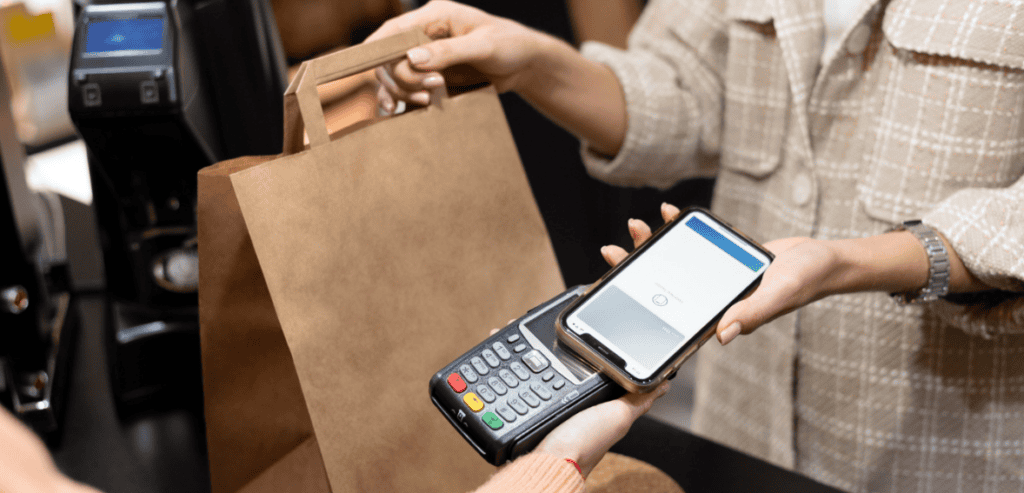
Leveraging Customer Data Across Channels
One of the biggest advantages of omnichannel retail integration is the ability to use customer data effectively across all touchpoints. When systems are connected, retailers can build a complete view of customer behaviour, including purchase history, preferences, and interactions across both online and in-store channels. This helps create more meaningful and personalised experiences.
Ecommerce POS integration plays a crucial role in collecting and sharing this data. When a customer makes a purchase online or in-store, the information is stored in a central system. Unified commerce systems then use this data to generate insights that can guide marketing strategies and product recommendations.
Retail system synchronization ensures that this data is always up to date, allowing businesses to respond quickly to changing customer needs. By leveraging data effectively, retailers can improve engagement, increase sales, and build stronger relationships with their customers.
Enabling Flexible Fulfilment Options
Modern customers expect flexibility in how they receive their purchases. Omnichannel retail integration allows businesses to offer options such as buy online and pick up in store, home delivery, or even same-day fulfilment. These options enhance convenience and improve the overall shopping experience.
Ecommerce POS integration ensures that fulfilment processes are coordinated across channels. When an order is placed online, the system can identify the nearest store with available stock and process the order accordingly. This reduces delivery times and improves efficiency.
Unified commerce systems manage these operations from a central platform, ensuring that all fulfilment activities are aligned. Retail system synchronization ensures that inventory and order status are updated in real time. By offering flexible fulfilment options, retailers can meet customer expectations and stay competitive in a fast-changing market.
Improving Staff Productivity and Store Operations
Integration not only benefits customers but also improves the efficiency of store operations. When systems are connected, staff have access to accurate and real-time information, which helps them perform their tasks more effectively. This includes checking inventory, processing orders, and assisting customers.
Ecommerce POS integration reduces the need for manual processes, allowing staff to focus on customer service. Unified commerce systems provide a centralised interface where employees can manage transactions and access information easily. This improves productivity and reduces the chances of errors.
Retail system synchronization ensures that staff are always working with the latest data, which is essential for smooth operations. Omnichannel retail integration supports better coordination between teams and departments. By improving staff efficiency, retailers can enhance service quality and overall performance.
Supporting Business Expansion and Scalability
As businesses grow, their systems must be able to handle increased demand and complexity. Omnichannel retail integration provides a strong foundation for scaling operations. By connecting all channels and systems, retailers can expand without losing efficiency or control.
Ecommerce POS integration ensures that new stores or online platforms can be added easily to the existing system. Unified commerce systems support this growth by providing a flexible and scalable infrastructure. This allows businesses to adapt to new markets and customer demands.
Retail system synchronization ensures that all operations remain aligned, even as the business expands. This consistency is essential for maintaining quality and reliability. By investing in integrated systems, retailers can prepare for future growth and build a sustainable business model.
Conclusion
Integrating e-commerce and in-store systems is essential for modern retail success. By adopting omnichannel retail integration, businesses can create a seamless and consistent experience for their customers. Ecommerce POS integration and unified commerce systems play a crucial role in achieving this goal.
Retail system synchronization ensures that all operations are aligned and updated in real time, reducing errors and improving efficiency. While the process may present challenges, the benefits of integration far outweigh the difficulties.
As the retail landscape continues to evolve, businesses that invest in integration and connectivity will be better positioned to meet customer expectations and achieve long-term growth.