QR Codes, NFC, and Contactless Engagement Tools for Retail Stores
Retail has always evolved alongside customer behavior, but the pace of change has accelerated significantly in recent years. Shoppers today expect speed, convenience, and minimal friction across every interaction, whether they are browsing, comparing products, or completing a purchase. Digital touchpoints that once felt optional are now central to how customers experience physical retail spaces.
QR codes, NFC, and other contactless technologies have emerged as powerful tools that bridge the gap between physical stores and digital engagement. These technologies allow retailers to share information instantly, simplify transactions, and create interactive moments without requiring additional staff involvement. When used thoughtfully, they strengthen retail tech engagement by making stores more intuitive, responsive, and aligned with modern customer expectations.
Understanding Contactless Engagement in Modern Retail
Contactless engagement is the use of technologies that enable customers to engage with a store, brand, or product without having to physically touch or manually interact with them. This can be achieved through scanning QR codes, tapping NFC-enabled devices, or using smartphones to access information and services.
Customer engagement with retail technology is not only about efficiency but also about empowerment. Customers can now access information about products, reviews, and offers at their own convenience. Contactless retail technology also helps employees by eliminating repetitive questions and allowing them to focus on service quality. As customers become more comfortable with mobile technology, these solutions have shifted from being nice-to-haves to needs in retail environments.
The Rise of QR Codes in Retail Stores
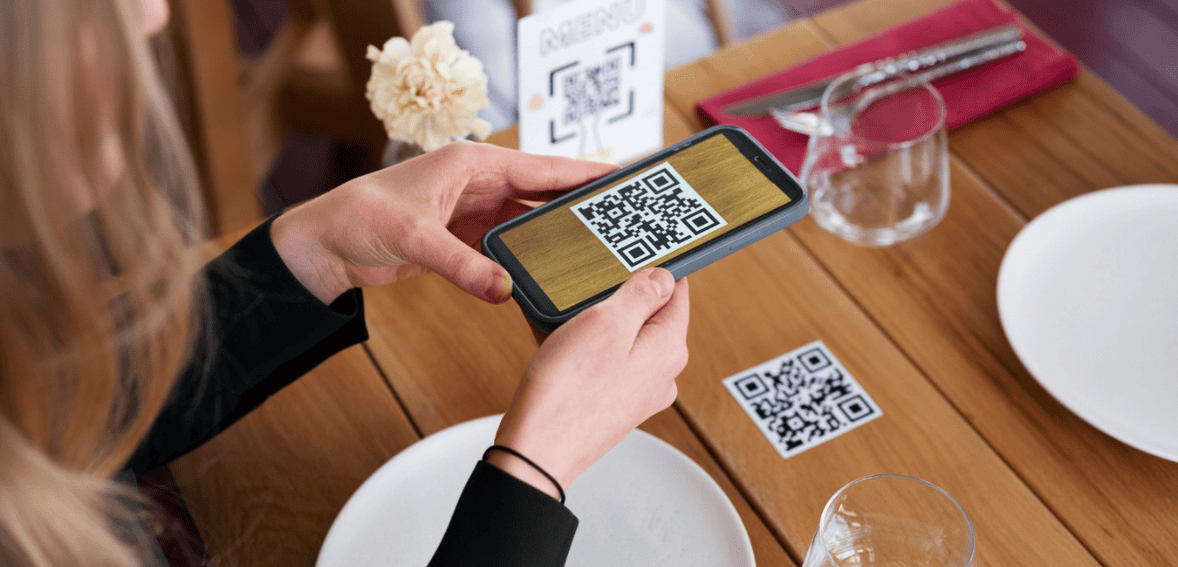
QR codes have become one of the most widely adopted contactless tools due to their simplicity and low cost. Almost every smartphone today can scan QR codes without additional apps, making them accessible to a broad audience. Retailers use QR code marketing to connect physical products, shelves, and displays to digital content instantly.
In stores, QR codes can link customers to product specifications, instructional videos, customer reviews, or promotional offers. This added layer of information helps shoppers make informed decisions without waiting for assistance. Over time, QR code marketing has proven especially effective for engaging first-time visitors and enhancing the browsing experience in smaller stores with limited staff.
How NFC Technology Enhances In-Store Experiences
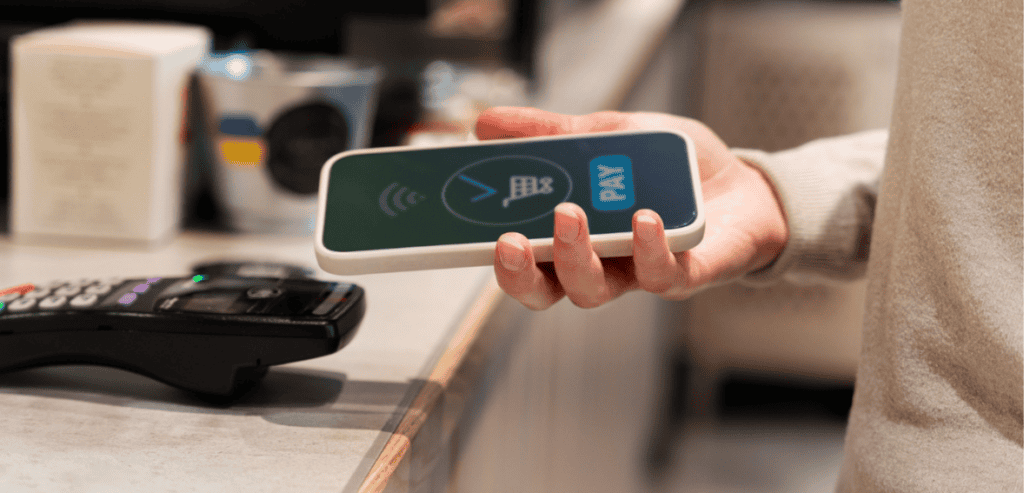
NFC technology enables customers to engage with retail technology by simply tapping their phone or card on a tag or terminal. Compared to QR codes, NFC technology does not require customers to open the camera or scan in the correct position, making it faster and more seamless. This ease of use is one of the reasons why NFC technology is becoming popular in retail environments.
Customer engagement with retail technology using NFC technology can be in the form of checking into a loyalty program, accessing personalized offers instantly, or authenticating products. The use of NFC tags near products or at the entrance of stores creates natural and intuitive touchpoints. As customers become more comfortable with tap-to-interact technology with payments and public transit, contactless retail tools using NFC technology are becoming well-received in retail stores.
Comparing QR Codes and NFC for Retail Use
Although both QR codes and NFC support contactless engagement, they are slightly different in their applications. QR codes are visual, flexible, and easy to implement on a large scale. They are suitable for campaigns, temporary promotions, and content-rich engagements. NFC, on the other hand, is fast, secure, and provides a seamless experience but may involve higher setup costs. Which one to use may depend on the environment and type of customers in the store. In most cases, retailers choose to implement a combination of both, using QR code marketing for general information and promotions and NFC for loyalty programs, payments, or exclusive experiences.
Driving Customer Engagement Through Interactive Product Information
One of the most effective uses of contactless tools is enhancing product discovery. Customers increasingly want detailed information before committing to a purchase, especially for high-value or unfamiliar items. QR codes placed on shelves or packaging can connect shoppers to detailed descriptions, usage tips, and comparison guides. Retail tech engagement improves when customers feel informed rather than pressured. Interactive product pages accessed through QR code marketing allow brands to communicate value clearly while maintaining a relaxed in-store atmosphere. This approach also supports multilingual content and accessibility features, ensuring a broader audience can engage comfortably.
Contactless Tools for Promotions and Offers
Promotions become more effective when they are timely, relevant, and easy to redeem. Contactless retail tools allow retailers to deliver offers directly to customers’ devices without printed coupons or manual entry. QR codes and NFC tags can unlock exclusive discounts, bundle offers, or limited-time deals in seconds. This approach reduces friction and increases redemption rates because customers do not have to remember codes or wait at checkout. QR code marketing also enables real-time tracking of promotion performance, helping retailers refine future campaigns. Over time, these insights improve retail tech engagement by aligning offers more closely with customer preferences.
Enhancing Loyalty Programs With Contactless Technology
Loyalty programs work best when they are easy and rewarding to participate in. Contactless solutions make it easy for consumers to enroll, view points, and redeem rewards without having to download complicated apps or use physical cards. Visits or purchases can be instantly tracked by scanning an NFC-enabled tap or a QR code. Engagement with retail technology through loyalty integration helps consumers return to the store without effort barriers. Consumers will appreciate loyalty programs that value their time and attention. To retailers, contactless loyalty solutions offer rich data about shopping behavior and preferences.
Improving Checkout and Payment Experiences
Checkout is often the most stressful part of the retail journey. Long queues and complicated payment processes can undo an otherwise positive experience. Contactless retail tools streamline this phase by enabling faster payments and simplified interactions. NFC-enabled payments and QR-based checkout systems reduce physical handling and speed up transactions. When customers associate a store with quick and easy checkouts, overall satisfaction improves. Retail tech engagement at the point of sale also opens opportunities for post-purchase interactions such as digital receipts and feedback collection.
Using Contactless Tools for Store Navigation and Assistance
The presence of large retail environments can intimidate customers, particularly first-time customers. Contactless engagement solutions can enable self-navigation and support through QR code placement in strategic locations. Customers can use the QR codes to access categories of products, check if the products are in stock, or get assistance. This is a self-service mechanism that empowers customers while minimizing the burden on customer service staff. Retail technology engagement is enhanced when retail environments are intuitive and easy to navigate.
Collecting Customer Feedback Through QR Codes
Feedback is essential for continuous improvement, but traditional methods often feel intrusive or inconvenient. QR code marketing offers a subtle and accessible way to collect customer opinions. Codes placed at exits, on receipts, or near displays can link to quick surveys or rating forms. Customers are more likely to share feedback when the process is fast and optional. Contactless retail tools allow retailers to gather insights in real time, enabling quicker responses to issues and trends. Over time, consistent feedback loops strengthen retail tech engagement by demonstrating responsiveness and care.
Supporting Omnichannel Retail Strategies
Consumers today seamlessly switch between offline and online shopping. Contactless solutions are vital in bridging the gap. QR codes can easily connect offline products to online product reviews or availability in other stores. This is seamless and helps in making informed decisions. Engagement with retail technology is optimal when customers feel assisted rather than steered towards a particular direction. Contactless retail solutions enable omnichannel strategies that are scalable for businesses of all sizes.
Improving Operational Efficiency With Contactless Tools
Beyond customer-facing benefits, contactless technologies highlight operational improvements. Staff can use QR codes internally for training, inventory checks, or process documentation. NFC tags can track equipment or trigger automated workflows. When operations become smoother, customer experiences improve indirectly. Retail tech engagement is strongest in stores where behind-the-scenes efficiency supports front-end simplicity. Contactless retail tools help achieve this balance by reducing manual processes and errors.
Data Insights and Analytics From Contactless Engagement
Every interaction with a QR code or NFC tag generates useful data. Retailers can track which products attract attention, which promotions perform best, and how customers move through the store. These insights enable data-driven decisions without invasive tracking methods. Retail tech engagement becomes more intelligent when analytics inform strategy. Over time, retailers can refine layouts, adjust messaging, and optimize campaigns based on real engagement patterns. Contactless tools offer measurable value beyond immediate customer interactions.
Addressing Privacy and Security Concerns
Like any digital technology, the aspects of privacy and security are also relevant. Customers need to feel assured that by scanning a QR code or tapping an NFC tag, they are not putting their personal data at risk unnecessarily. It is crucial that there is transparency in terms of data usage and that the system is secure. Retailers need to be open about the data that is collected and how it is used. Contactless retail technology needs to focus on security to ensure compliance and customer confidence.
Adapting Contactless Tools for Different Retail Segments
Not all retail environments have the same needs. A fashion boutique may focus on visual storytelling and product details, while a grocery store prioritizes speed and convenience. Contactless engagement tools should be adapted accordingly. QR code marketing can be customized to suit different product categories and customer behaviors. NFC applications can support varied use cases across segments. This flexibility makes contactless retail tools suitable for both small independent stores and large chains.
Training Staff to Support Contactless Engagement
Successful implementation requires staff alignment and understanding. Employees should know how contactless systems work and how to assist customers when questions arise. Training ensures that technology enhances service rather than creating confusion. Retail tech engagement improves when staff confidently guide customers through new tools. Clear communication and simple demonstrations help increase adoption, especially among customers who may be less familiar with contactless technologies.
Measuring the Impact of Contactless Engagement Tools
Assessing success goes beyond scanning or tapping. It is essential for retailers to measure the impact of contactless tools on customer satisfaction, dwell time, and conversion rates. Both quantitative and qualitative measures of data are essential in gaining insights. Continuous assessment enables improvements and ensures that contactless retail tools are on track with business objectives. Engagement with retail technology changes as insights are put into action, as opposed to remaining static.
The Long-Term Role of Contactless Technologies in Retail
Contactless engagement is not a temporary trend but a foundational shift in how retail operates. As customer expectations continue to evolve, technologies that reduce friction and increase flexibility will remain central to successful retail strategies. QR code marketing, NFC, and other contactless retail tools offer scalable ways to modernize stores without sacrificing the human element. When integrated thoughtfully, they enhance experiences, support staff, and drive sustainable retail tech engagement.
Conclusion
QR codes, NFC, and contactless engagement tools are reshaping how retailers connect with customers in physical spaces. By blending convenience, information, and interactivity, these technologies create experiences that feel modern and customer-centric. Their true value lies not in replacing human service but in supporting it through efficiency and empowerment. For retailers aiming to stay relevant and competitive, investing in contactless strategies is a practical step toward stronger engagement and long-term growth. When implemented with clarity and purpose, these tools help transform everyday shopping into a seamless, informed, and enjoyable experience for all.