Retail Customer Experience: How Retailers Are Using Technology to Create Seamless Customer Journeys
Retail has changed dramatically over the past decade. Customers no longer interact with brands through a single channel or follow a predictable path from discovery to purchase. Instead, they move between websites, mobile apps, social media platforms, physical stores, online marketplaces, and customer service channels throughout their buying journey. This shift has transformed how retailers approach customer engagement and has made technology a critical part of modern retail success.
Customers today demand convenience, efficiency, personalization, and consistency no matter where and in which way they come into contact with the brand. They demand the ability to browse through products online, get information about the product’s availability in store in real time, receive personalized suggestions, purchase products via the channel of their choice, and have a seamless journey throughout all steps. All this is possible only by integrating processes, technologies, and data in ways that were unimaginable even a few years ago.
For this reason, more and more businesses focus on retail technology solutions aimed at removing frictions and increasing customer satisfaction. The goal is to ensure that customers are able to seamlessly switch from digital channels to physical stores and vice versa, receiving relevant information without any problems.
Today, success in the retail business market does not depend on such factors as having the biggest stores or a larger budget for marketing campaigns. Success means making the most out of technology and ensuring an efficient retail customer experience.
Understanding the Modern Customer Journey
The traditional retail model was relatively straightforward. Customers visited a store, browsed products, made a purchase, and left. Today’s shopping behaviour is far more complex. A customer may discover a product through social media, research it on a retailer’s website, read online reviews, visit a physical store to see it in person, compare prices on a mobile app, and finally complete the purchase online.
This interconnected behaviour has blurred the lines between physical and digital shopping. Customers no longer view channels separately. They see the brand as a single entity and expect a consistent experience wherever they engage.
Creating a seamless shopping journey requires retailers to understand these changing behaviours and remove obstacles that might disrupt the buying process. Customers become frustrated when inventory information is inaccurate, loyalty rewards do not transfer across channels, or customer service teams lack access to purchase history.
Technology plays a crucial role in solving these challenges. By connecting various systems and customer touchpoints, retailers can create experiences that feel cohesive and intuitive rather than fragmented and disconnected.
Why Seamless Experiences Matter More Than Ever
Customer expectations have also risen considerably in recent times. The exposure to personalized experiences through technology firms, video streaming websites, and online shopping platforms influences the expectations consumers set for their retailers.
A negative experience will likely lead customers to look for alternatives. Long queues at checkout counters, inconsistent pricing structures, no information on inventory, or even disconnections in customer service can cause customer dissatisfaction and reduce loyalty. In contrast, easy and hassle-free experiences encourage repeat purchases and build customer-brand relationships.
Retail customer experience is one of the biggest determining factors when it comes to purchasing decisions by customers. While product quality and pricing are still significant, customers place more emphasis on convenience and easy transactions. Shoppers prefer to either pay extra or be loyal to brands that provide great experiences.
It is possible for retailers to use technology to discover problems and resolve them before they cause a negative experience. This includes making the process of payment easier and increasing visibility of products. Technology used with a customer experience focus helps in customer retention and revenue growth. The importance placed on customer experience has helped turn technology into a strategic tool for businesses.
The Rise of Omnichannel Retail
One of the most significant developments in modern retail is the growth of omnichannel strategies. Omnichannel retail focuses on creating a unified experience across all customer touchpoints, whether online or offline.
Customers may start their shopping journey on a mobile device, continue it on a laptop, and complete it in a physical store. They expect each interaction to feel connected and consistent. This expectation has encouraged retailers to integrate systems that were previously managed separately.
Connected commerce has become a key concept within omnichannel retail. It involves linking inventory management, customer data, sales platforms, loyalty programmes, and fulfilment operations to create a unified ecosystem. This integration helps ensure that customers receive accurate information and consistent service regardless of where they engage with the brand.
Retailers embracing connected commerce can offer services such as buy online and pick up in store, ship from store, and real-time inventory visibility. These capabilities improve convenience while giving customers greater flexibility in how they shop.
As omnichannel retail continues to evolve, technology remains the foundation that enables these connected experiences.
Personalisation Through Data and Analytics
Customers today want retailers to know what they like and offer them recommendations accordingly. Personalisation has turned out to be one of the most effective methods for engaging customers and boosting their purchasing activity.
There are many ways for retailers to collect customer data: website visits, purchase histories, interactions with mobile applications, participation in loyalty programs, as well as communication with customer service. With advanced analytics systems, it becomes easier to convert this data into insights that could be used for personalising customers’ experience.
As a result of digital innovations in the retail industry, retailers are able to offer very relevant product recommendations, promotions, and content to their clients. This means that not all customers will see the same offers; they will depend on particular interests and behaviors. Personalisation also positively influences shopping experiences since the buying process requires less effort from customers when they are provided with relevant recommendations and useful information.
Mobile Technology and the Always-Connected Shopper
Mobile devices have fundamentally changed retail. Smartphones have become an essential part of the shopping experience, allowing customers to research products, compare prices, read reviews, and make purchases from virtually anywhere.
Retailers have responded by investing heavily in mobile-friendly websites, dedicated shopping apps, and location-based services. These tools help customers interact with brands more conveniently and support a more seamless shopping journey across different environments.
Many retailers now use mobile technology to bridge the gap between online and physical shopping. Customers can check inventory availability before visiting a store, receive personalised offers while browsing, and access digital loyalty cards directly from their devices.
Retail technology solutions focused on mobile engagement have become increasingly important because consumers often use smartphones throughout the buying process. Even when shopping in physical stores, customers frequently consult their devices for product information and comparisons.
By recognising the central role of mobile technology, retailers can create experiences that align with modern shopping habits and improve overall customer satisfaction.
Smart Inventory Management Improves Customer Satisfaction
One of the most common issues that lead to customer dissatisfaction is inaccurate inventory information. There is nothing worse for customers than learning that the desired item is not available after traveling to the store or trying to order something online.
Technology has helped make inventory management much easier. Modern technologies allow for getting real-time information about the status of items in warehouses, stores, and fulfillment centers. This helps retailers keep accurate information about available products and make better decisions about the inventory.
Connected commerce relies greatly on accurate inventory information. Retailers should have an ability to provide accurate information about product availability online and give customers the choice of fulfillment options. Real-time inventory systems make all of this possible.
Forecasting tools can assist in more efficient inventory management as well. By analyzing sales history, seasonality and consumer behavior, retailers will be able to increase available inventory and reduce shortages. Inventory management improves the customer experience in retail by ensuring that the customer finds what he or she needs.
AI in Retail Operations
AI is becoming an increasingly important part of modern retail strategies. Retailers are using AI-powered tools to improve customer interactions, optimise operations, and make more informed business decisions.
AI helps retailers analyse large volumes of customer data and identify patterns that would be difficult to detect manually. These insights support personalised recommendations, dynamic pricing strategies, and targeted marketing campaigns.
Chatbots and virtual assistants have also become common applications of digital retail innovation. These tools provide immediate support, answer customer questions, and guide shoppers through the buying process at any time of day.
AI can improve operational efficiency as well. Predictive analytics help retailers forecast demand, optimise inventory levels, and improve workforce scheduling. These improvements contribute indirectly to a more seamless shopping journey by ensuring that products and services are available when customers need them.
As AI capabilities continue to advance, retailers are likely to discover even more opportunities to enhance customer experiences and streamline operations.
Enhancing In-Store Experiences with Technology
Despite the rapid development of online commerce, traditional stores have not lost their value. Instead of replacing stores, technology contributes to their transformation into more immersive and efficient environments.
Numerous retailers incorporate innovative solutions that make in-store experience better. Interactive displays, self-checkout terminals, mobile payment systems, and digital info points make it easier for customers to get information and complete their transactions faster.
Moreover, technology is making employees of retailers more effective. Employees armed with mobile devices can check stock levels, access customer history, and assist customers more effectively without leaving their side.
Retailers even try some cutting-edge solutions like augmented reality, smart fitting rooms, and contactless payment systems. These solutions contribute to the creation of immersive experiences and make it more convenient to shop. The key objective is not to integrate technologies just for the sake of doing so, but to implement them strategically.
The Role of Loyalty Programmes and Customer Engagement
Loyalty programmes have evolved significantly with the help of technology. Traditional punch cards and paper coupons have largely been replaced by sophisticated digital systems that provide personalised rewards and real-time engagement opportunities.
Modern loyalty platforms collect valuable customer data while offering incentives that encourage repeat purchases. Customers can earn points, receive personalised offers, and access exclusive benefits through mobile apps and online accounts.
Connected commerce enables loyalty programmes to function consistently across all channels. Whether customers shop online, through a mobile app, or in a physical store, their rewards and account information remain accessible and up to date.
Digital retail innovation has also improved customer engagement by enabling retailers to communicate more effectively. Personalised notifications, targeted promotions, and relevant content help maintain ongoing relationships with customers between purchases.
Strong loyalty programmes contribute to the retail customer experience by making customers feel recognised, valued, and rewarded for their continued support.
Faster and More Flexible Fulfilment Options
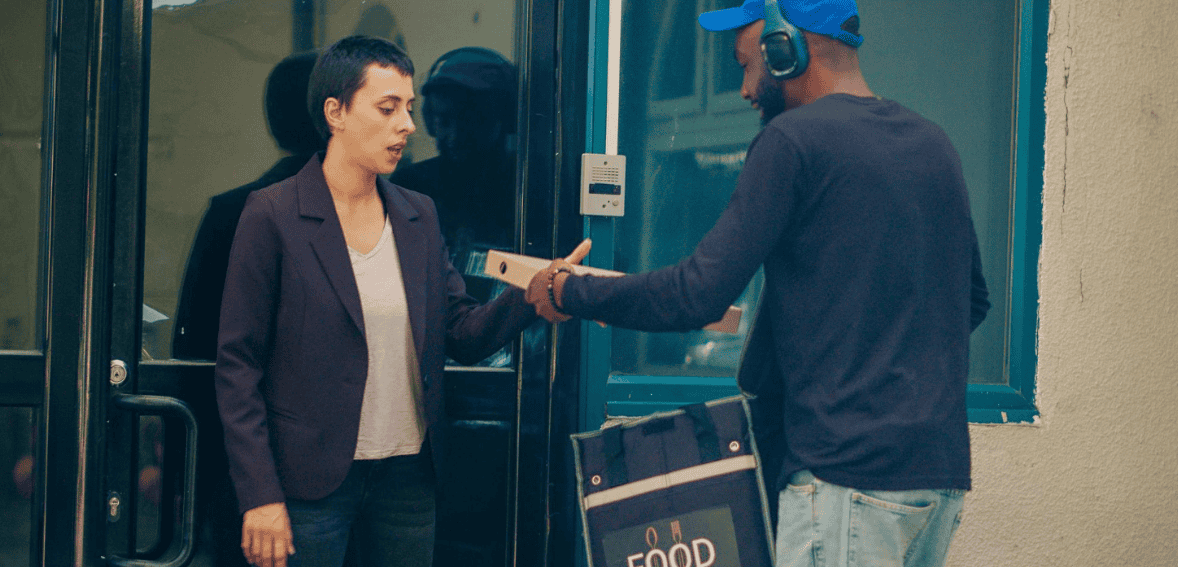
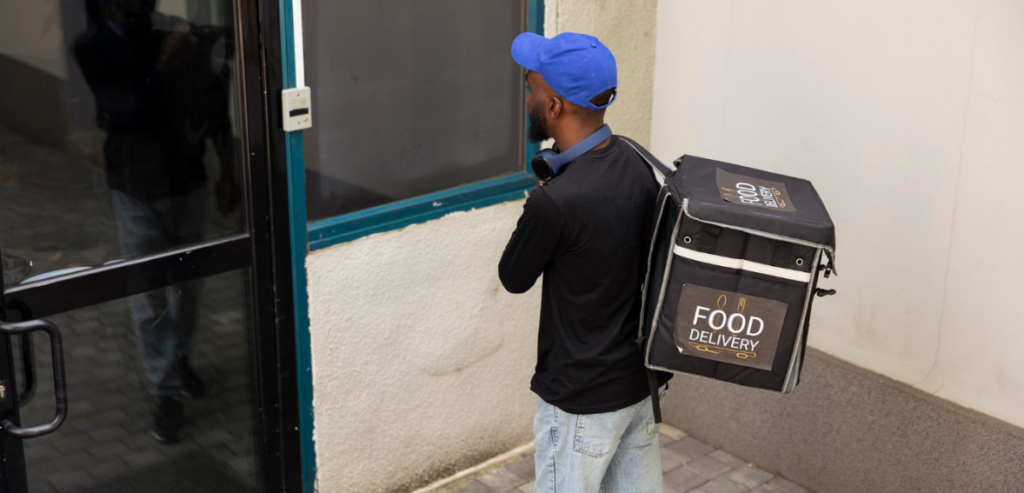
Customer expectations regarding delivery and fulfilment have changed dramatically. Many shoppers now expect rapid delivery, flexible collection options, and transparent order tracking.
Retailers have responded by implementing technology-driven fulfilment strategies that improve speed and convenience. Buy online and pick up in store services allow customers to combine the benefits of digital shopping with immediate product access.
Real-time tracking systems provide greater visibility throughout the delivery process. Customers appreciate knowing when orders will arrive and being able to monitor progress at every stage.
Connected commerce plays a critical role in supporting these fulfilment capabilities. Inventory systems, order management platforms, and logistics networks must work together seamlessly to deliver consistent experiences.
The ability to offer flexible fulfilment options has become a major competitive advantage, particularly as consumers continue to prioritise convenience and control over their shopping experiences.
Challenges Retailers Face When Adopting Technology
While technology offers significant benefits, implementation is not always straightforward. Retailers often face challenges related to system integration, employee training, cybersecurity, and ongoing maintenance.
Many businesses operate with legacy systems that were not designed to work together. Integrating these systems can be complex and time-consuming. Achieving connected commerce requires careful planning and coordination across multiple departments.
Employee adoption is another important consideration. Technology is only effective when staff understand how to use it properly. Retailers must invest in training and support to ensure that employees can leverage new tools effectively.
Security and privacy concerns also require attention. As retailers collect more customer data, protecting that information becomes increasingly important. Strong cybersecurity measures and transparent data practices are essential for maintaining customer trust.
Despite these challenges, many retailers view technology investment as necessary for remaining competitive in an increasingly digital marketplace.
The Future of Retail Customer Journeys
The future of retail will likely involve even greater integration between physical and digital experiences. Customers will continue to expect convenience, personalisation, and consistency across all channels.
Emerging technologies such as AI, machine learning, augmented reality, and advanced analytics will create new opportunities to enhance the seamless shopping journey. Retailers will gain deeper insights into customer preferences and be able to deliver more relevant experiences.
Digital retail innovation will also continue to improve operational efficiency, enabling retailers to respond more quickly to changing customer demands and market conditions. Automation and intelligent systems may help reduce friction throughout the customer journey while supporting more personalised interactions.
The retailers that succeed in the future will be those that view technology not as a standalone investment but as a tool for improving customer experiences and strengthening relationships. Technology should support the customer journey rather than complicate it.
As expectations continue to evolve, adaptability and innovation will remain essential qualities for retail success.
Conclusion
Technology has fundamentally changed how retailers interact with customers. Today’s shoppers move seamlessly between digital and physical channels, expecting consistent experiences at every touchpoint. Meeting these expectations requires retailers to embrace solutions that connect systems, data, and operations into a unified ecosystem.
Retail technology solutions have enabled businesses to improve inventory visibility, personalise interactions, streamline fulfilment, enhance in-store experiences, and strengthen customer engagement. These capabilities contribute directly to a stronger retail customer experience and help create the seamless shopping journey that modern consumers expect.
Connected commerce has become a critical strategy for retailers seeking to eliminate friction and provide greater convenience. By integrating various aspects of the business, retailers can deliver experiences that feel cohesive regardless of where customers choose to shop.
Digital retail innovation will continue shaping the future of the industry as emerging technologies create new possibilities for engagement and efficiency. Retailers that invest thoughtfully in technology while keeping customer needs at the centre of their strategies will be better positioned for long-term success.
Ultimately, the goal is simple. Technology should make shopping easier, faster, more enjoyable, and more relevant. When retailers achieve this balance, they create customer journeys that not only drive sales but also build lasting loyalty and trust.